
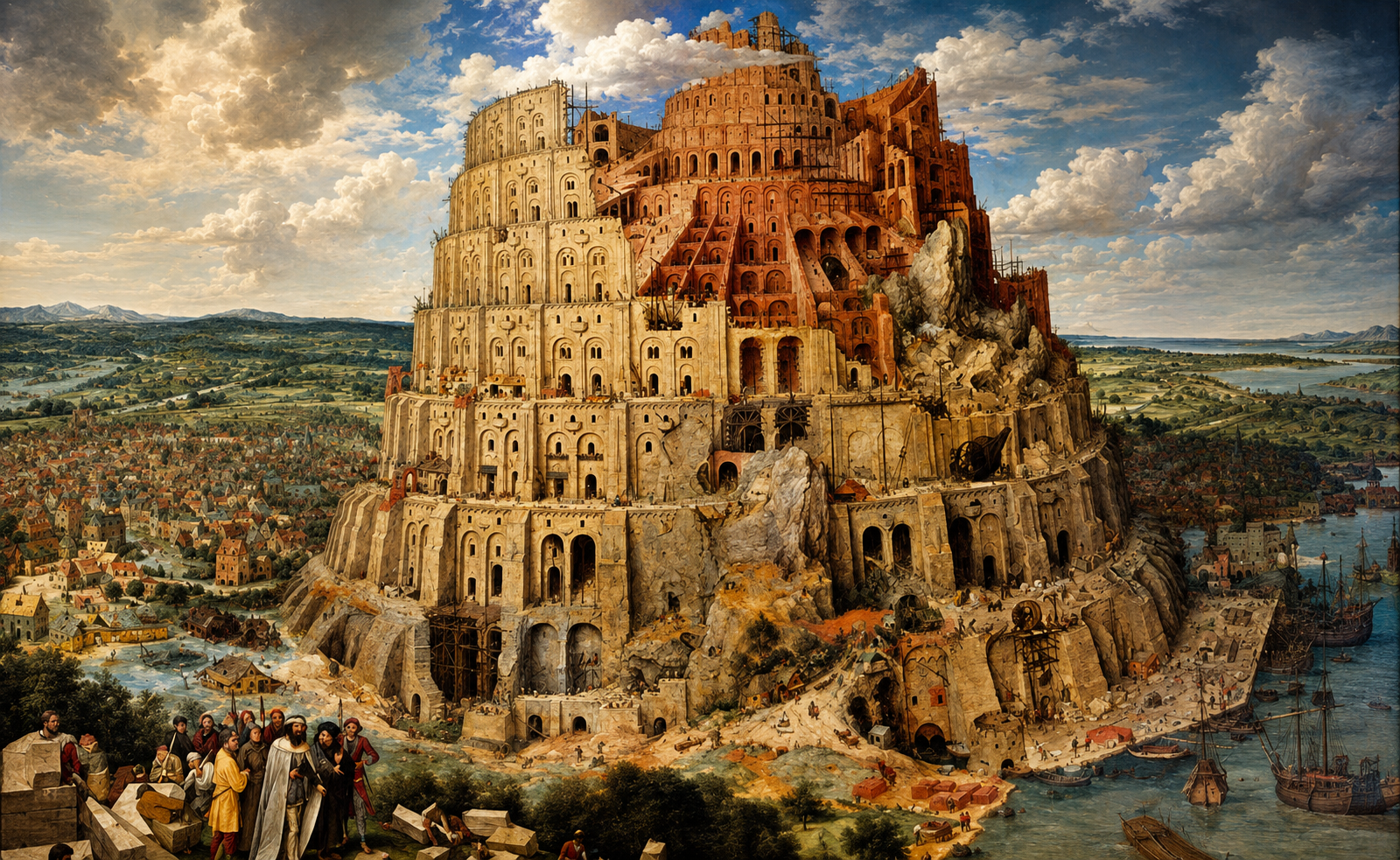


The Babylon Empire
The Babylon Empire was one of the greatest civilizations of the ancient world. Located in Mesopotamia between the Tigris and Euphrates rivers, Babylon became a center of culture, trade, science, and law. The empire played a major role in shaping human history and influenced many later civilizations.
Origins of Babylon
Babylon began as a small city-state in ancient Mesopotamia, in present-day Iraq. It rose to power around the 18th century BCE under the rule of King Hammurabi. He united many neighboring cities and created one of the first powerful empires in history.
Babylon was strategically located near important trade routes, which helped it become wealthy and influential. Merchants from different regions visited the city to exchange goods, ideas, and culture.
Hammurabi and His Famous Code

One of Babylon’s most famous rulers was Hammurabi. He is best remembered for the Code of Hammurabi, one of the earliest written legal systems in human history. The laws were carved onto stone pillars and placed in public areas so people could read them.
The code covered many aspects of daily life, including trade, property, marriage, and crime. Its principle of “an eye for an eye” became famous throughout history.
The Great City of Babylon
Babylon became known for its magnificent architecture and advanced urban design. The city was surrounded by massive walls and contained beautiful temples, palaces, and gardens.
One of the most famous structures associated with Babylon was the Ishtar Gate, decorated with bright blue glazed bricks and images of animals. Another legendary wonder was the Hanging Gardens of Babylon, considered one of the Seven Wonders of the Ancient World, though historians still debate whether they truly existed.
The city was also a center of learning. Babylonian scholars made important contributions to mathematics, astronomy, and writing. They developed early calendars and studied the movements of stars and planets.
Nebuchadnezzar II and the Golden Age
Babylon reached its peak during the reign of King Nebuchadnezzar II in the 6th century BCE. He expanded the empire and transformed Babylon into one of the most beautiful cities of the ancient world.
Nebuchadnezzar built grand temples and strengthened the city’s defenses. During his rule, Babylon conquered Jerusalem and captured many Jewish people, an event known as the Babylonian Captivity.
Decline of the Empire
Despite its greatness, the Babylon Empire eventually weakened. In 539 BCE, the Persian king Cyrus the Great conquered Babylon without major destruction. After this conquest, Babylon became part of the Persian Empire.
Over time, the city lost its political power and importance. However, its achievements in law, science, architecture, and culture continued to influence future civilizations.
Legacy of Babylon
The Babylon Empire left a lasting impact on world history. Its legal systems inspired later laws, while its scientific discoveries contributed to astronomy and mathematics. Babylon remains a symbol of ancient civilization, power, and human achievement.
Today, the ruins of Babylon are an important archaeological site and continue to attract historians and visitors from around the world.
Important Figures of Babylon 👑


Key Facts 📚
- Capital City: Babylon
- Famous Ruler: Hammurabi
- Golden Age King: Nebuchadnezzar II
- Known For: Law codes, astronomy, architecture, and trade
- Major Landmark: Ishtar Gate
Babylonian Architecture and Culture 🏺