Our Location
304 North Cardinal St.
Dorchester Center, MA 02124

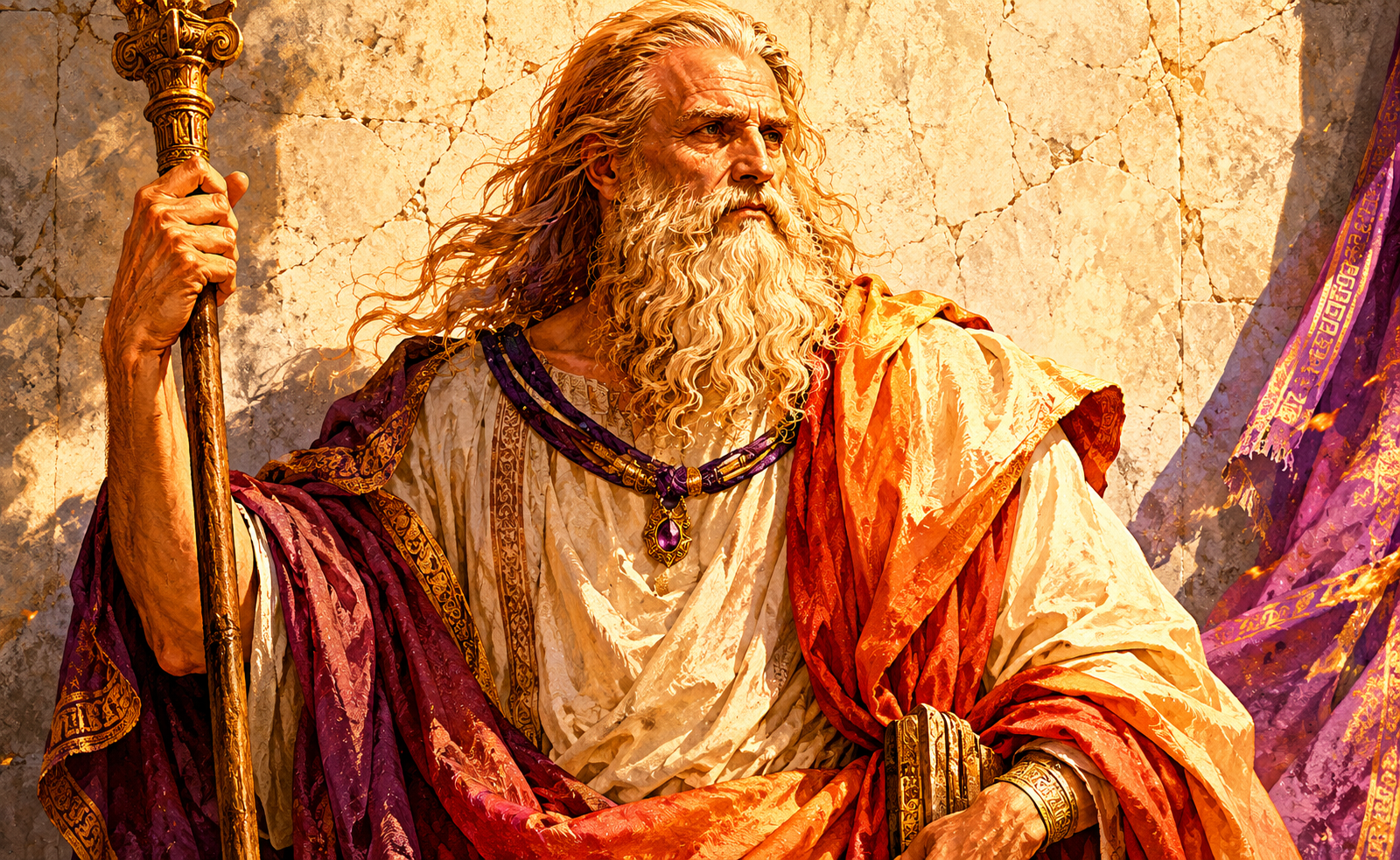
Plato was one of the most influential philosophers in human history. Born in ancient Greece around 427 BCE, he became a student of Socrates and later the teacher of Aristotle. His ideas about knowledge, justice, politics, education, and reality shaped philosophy, science, and Western civilization for more than two thousand years.
Plato founded one of the first institutions of higher learning in the Western world, known as the Academy in Athens. Many of his writings survive today and continue to be studied across the world.

Plato was born into a wealthy and politically influential family in Athens, Greece. His real name may have been Aristocles, while “Plato” was likely a nickname meaning “broad,” possibly referring to his broad shoulders or speaking style.
During his youth, Athens was affected by war and political instability. These experiences influenced Plato’s later thoughts about government and justice.
The turning point in his life came when he met Socrates. Plato became one of Socrates’ closest students and deeply admired his method of questioning and pursuit of truth.

One of the most important events in Plato’s life was the trial and execution of Socrates in 399 BCE. Socrates was accused of corrupting the youth and disrespecting the gods of Athens.
Plato believed the execution was unjust. This tragedy inspired him to explore questions about morality, justice, and the ideal state. Much of Plato’s philosophy was written in the form of dialogues where Socrates appears as the main speaker.

Plato believed that the physical world is imperfect and temporary, while true reality exists in eternal and perfect “Forms” or “Ideas.”
For example:
According to Plato, the world we see with our senses is only a shadow of the higher reality.

One of Plato’s most famous ideas appears in his book The Republic.
In the “Allegory of the Cave,” prisoners are chained inside a cave and can only see shadows on a wall. They believe those shadows are reality. When one prisoner escapes and sees the outside world, he realizes the truth.
This story symbolizes human ignorance and the philosopher’s journey toward knowledge and enlightenment.
Around 387 BCE, Plato founded the Academy in Athens. It became one of the earliest universities in history and remained active for centuries.
Students studied:

Among Plato’s students was Aristotle, who later became another giant of philosophy.
Some of Plato’s most famous works include:
These works discuss ethics, love, politics, knowledge, and the soul.

Plato’s influence extends far beyond philosophy. His ideas affected religion, political theory, education, psychology, mathematics, and science.
Even today, debates about justice, truth, democracy, and reality often trace back to Plato’s writings.
Plato remains one of the greatest thinkers in history. Through his writings, teachings, and philosophical ideas, he inspired generations to question reality, seek wisdom, and pursue truth.
His legacy continues to shape the modern world, making Plato a timeless symbol of knowledge and intellectual curiosity.
