Our Location
304 North Cardinal St.
Dorchester Center, MA 02124

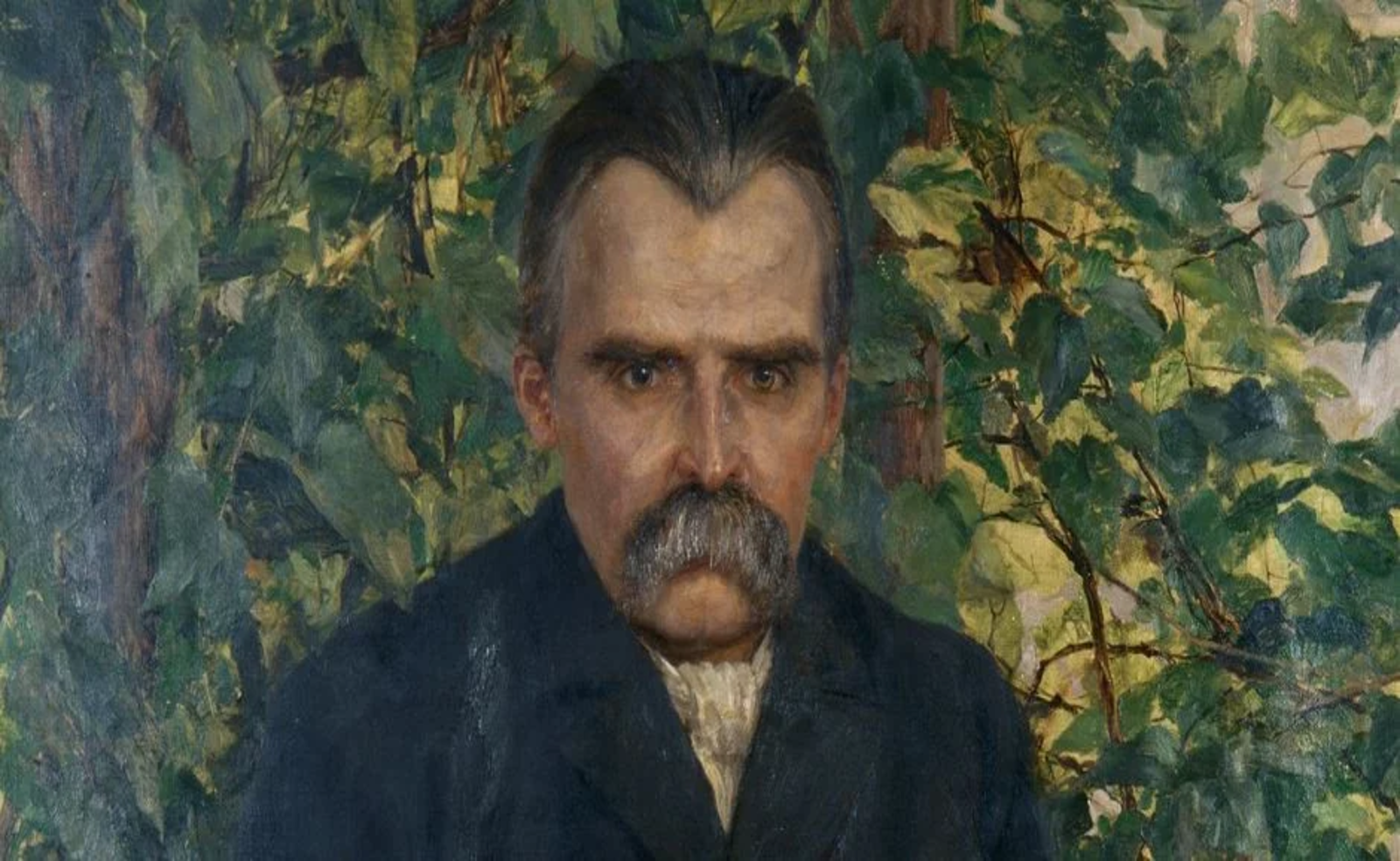
Friedrich Nietzsche’s name stirs up a lot of passion—and for good reason. Born in 1844 in Germany, he turned the world of philosophy upside down with radical ideas about morality, religion, and what it means to be human. He didn’t just poke holes in old beliefs—he tore them apart and expected people to build something bold from the ruins. Nietzsche wasn’t interested in following rules blindly; he wanted folks to carve out meaning for themselves and face life head-on.

Freedom, pushing your own limits, and unleashing the strength of the human spirit—those were at the heart of his philosophy. Nietzsche believed humans could rise above mediocrity and conformity to do something great.
You’ve probably heard his famous line: “God is dead.” He wasn’t being dramatic or literal, just blunt. Nietzsche saw science and reason crowding out traditional religious faith. People still talked about religion, but he thought those values didn’t really guide their lives anymore.
He worried that losing religion would leave people with nothing—nihilism, the sense that life doesn’t matter. Nietzsche argued that if the old values don’t hold up, we need new ones to keep us moving forward.
The Übermensch—sometimes called the “Overman” or “Superman”—was Nietzsche’s vision of someone who rises above fear and herd mentality. Ordinary folks usually just go along with society’s rules, but the Übermensch makes his own path, facing suffering and struggle and turning pain into power. This isn’t just some hero—it’s the symbol of all our untapped potential.
Nietzsche also came up with the “Will to Power”—a pretty wild idea. He thought the real force driving us isn’t just survival or chasing pleasure, but a hunger to grow, smash obstacles, and feel our own strength. That can show up in all sorts of ways—creativity, leadership, ambition, art, personal growth. He respected people who turned setbacks into victories and believed true greatness comes from fighting through challenges, not avoiding them.

He broke morality into two kinds: “master morality” and “slave morality.” The first one’s all about strength, confidence, and excellence—created by people who decide what’s good based on achievement and power. The second centers on humility, kindness, obedience, and weakness; it came from people who had little power and felt resentment for the strong. Nietzsche made a pretty tough claim that modern society often celebrated mediocrity and discouraged greatness, pushing people to question the values they inherited and think for themselves.
Another wild thought from Nietzsche: “Eternal Recurrence.” Imagine reliving your exact same life over and over, forever. Would you embrace it completely, knowing every moment would repeat? The idea was meant to shake people up, urging them to live so fiercely and passionately that they wouldn’t mind repeating their lives again and again.
Nietzsche’s influence stretches far and wide—philosophy, psychology, literature, politics, you name it. Existentialism, postmodernism, and some heavy names like Sartre, Heidegger, and even Freud all drew ideas from Nietzsche. The echoes of his thinking are everywhere, and he’s still one of the most debated philosophers around.
In the end, Nietzsche challenges everyone: don’t just swallow what you’re told—question it, and make your own meaning. His ideas are controversial, sure, but they push us to ask the big stuff: What makes life worthwhile? How should we live? What does it take to reach our highest potential?
Some of Nietzsche’s most famous works:

