Our Location
304 North Cardinal St.
Dorchester Center, MA 02124

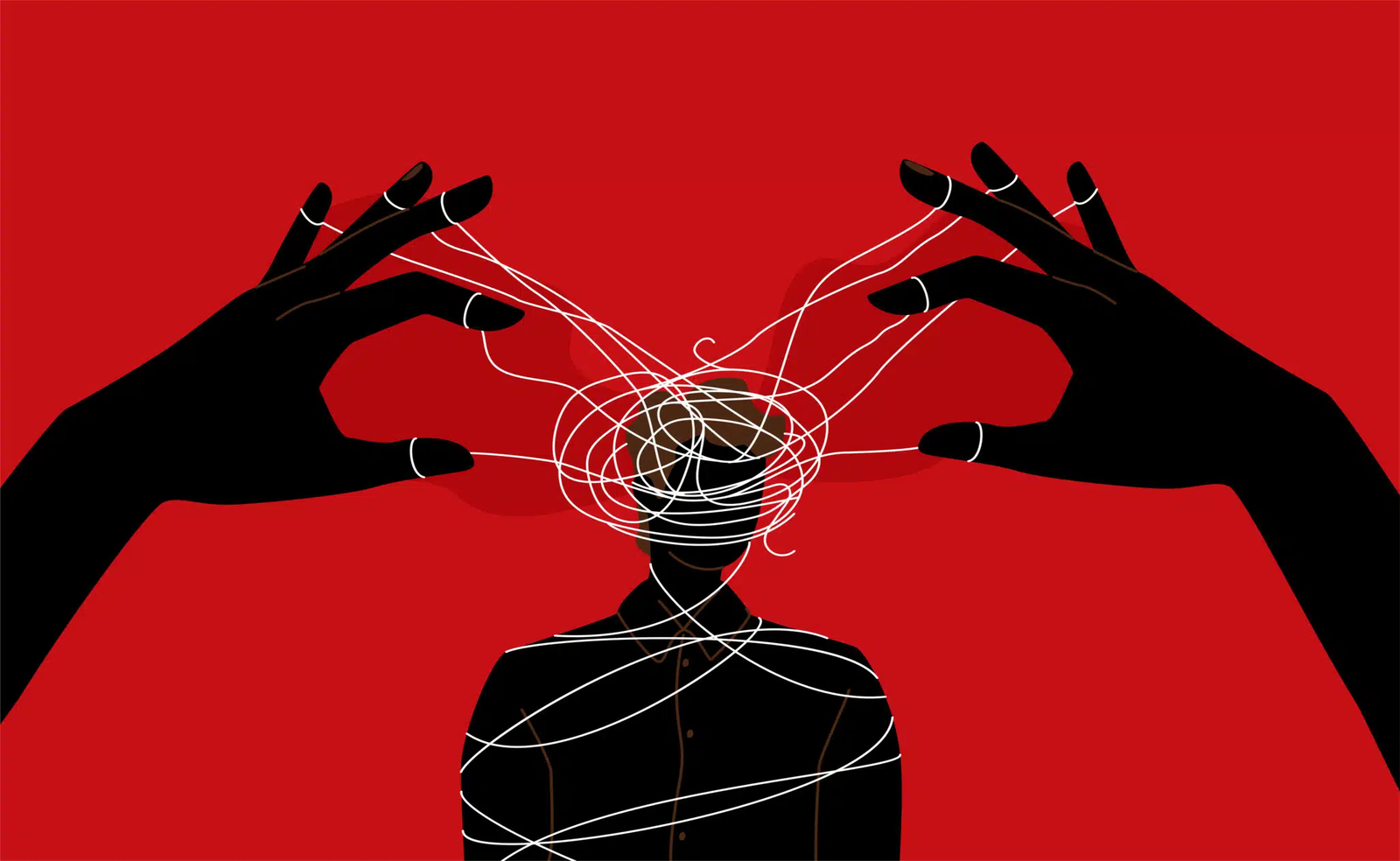
Dark psychology digs into the side of human behavior that’s all about manipulation, persuasion, and control. It looks at how people use sneaky psychological tricks to get what they want, often in ways their targets don’t even notice. While psychology as a whole studies the mind and aims to help people live better lives, dark psychology zooms in on the methods people use when they’re out to serve their own interests—sometimes at someone else’s expense.

You see the term “dark psychology” popping up everywhere these days—books, movies, social media. A lot of people want to understand it because it helps them spot toxic behavior, protect themselves from getting played, and decode what’s really driving people’s actions.
Where Does Dark Psychology Come From?
Dark psychology isn’t an official field. Don’t expect to find it as a department in any university. Instead, it mixes different ideas: behavioral psychology, persuasion, emotional manipulation, even personality disorders. Leaders and manipulators have been using these tactics forever—think about ancient rulers or anyone spreading propaganda.
Niccolò Machiavelli, for example, wrote about power and manipulation centuries ago. Modern takes on dark psychology often tie in things like narcissism, sociopathy, and Machiavellian mindsets.
Common Tactics in Dark Psychology
Manipulation
Here, someone tries to steer your emotions or choices in sneaky, unfair ways. They might pile on guilt, play on your fears, tug at your sympathy, or promise things they never intend to give.
Gaslighting
With gaslighting, the manipulator makes you doubt your own memory or sense of reality. Over time, you can lose confidence in yourself and end up relying more and more on them.
Emotional Blackmail
This happens when someone uses guilt, obligation, or fear to pressure others into doing what they want.
Love Bombing
Think overwhelming flattery, affection, and attention—all designed to make you emotionally dependent and let your guard down quickly. It’s common in unhealthy relationships.
Persuasion and Influence
Dark psychology also includes techniques that take advantage of emotional triggers or subconscious fears to get people to do things they otherwise wouldn’t.
The Dark Triad Traits

There’s a trio of personality traits called the “Dark Triad” that psychologists often talk about:
Narcissism—obsession with self-importance and a need for admiration.
Machiavellianism—calculated manipulation and exploitation of others.
Psychopathy—lack of empathy, impulsiveness, emotional coldness.
People who score high on these traits can be charming or smart, but they use those strengths to deceive and control.
Where You’ll See Dark Psychology
You’ll run into it almost anywhere: toxic relationships, office politics, scams, cults, social media drama, even high-pressure sales tactics. Not every act of persuasion is toxic, but when people start messing with your emotions or finances for their gain, it gets dangerous.
How to Protect Yourself
Knowing about dark psychology gives you an edge. Here’s what helps:
Set clear boundaries.
Work on emotional intelligence.
Rely on facts, not just how someone makes you feel.
Take your time—don’t let anyone rush your decisions.
Build your self-confidence.
Stay alert for manipulative language or demands.
Being aware is your best defense. If something feels off, pay attention.
Dark Psychology in Pop Culture
Movies, TV, and novels love exploring manipulation. The “puppet master” character is usually smart, charming, and totally detached emotionally. Movies like American Psycho or Fight Club dig right into identity, mind games, and the murky side of human nature.
The Ethics of Studying This Stuff
Of course, picking apart these tactics opens a can of worms—just because you understand manipulation doesn’t make it okay to use it. Most experts say it’s better to learn dark psychology to protect yourself, not to take advantage of others.
In Short

Dark psychology puts a spotlight on the ways people manipulate, deceive, and control others. It can sound scary, but the more you know, the more you can protect yourself and spot the warning signs. By getting familiar with these tactics and personality traits, you’ll make smarter choices, steer clear of toxic relationships, and avoid falling into traps.
Quick Red Flags to Watch For:
You’re always being made to feel guilty
Someone is extra charming, but their motives aren’t clear
They want you emotionally dependent
They isolate you from loved ones
You catch them lying or twisting the truth
They pressure you to make fast decisions
Famous Thinkers in This Space:
If you want to dig deeper, check out thinkers like:
1 Sigmund Freud
2 Carl Jung
3 Niccolò Machiavelli
4 Robert Greene
