
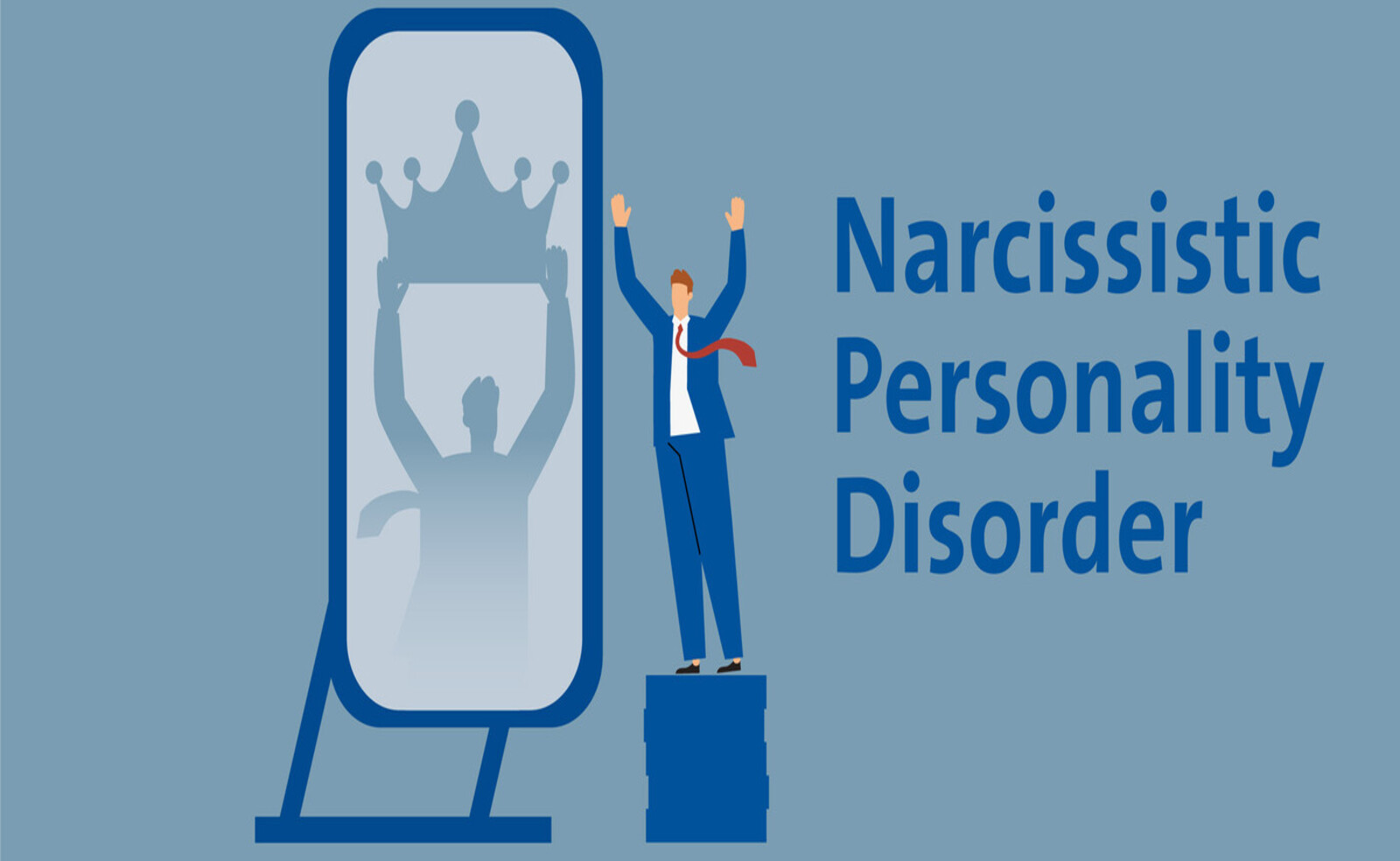
Narcissistic personality is a complex psychological pattern marked by grandiosity, need for admiration, and low empathy. In clinical psychology, extreme and persistent patterns may be diagnosed as Narcissistic Personality Disorder (NPD).
It exists on a spectrum—from mild traits in everyday behavior to severe clinical dysfunction.
🧩 Core Concept (Visual Understanding)


Narcissism is often described as a distorted self-image system:
- Inflated self-worth 👑
- Emotional dependence on validation ❤️🔥
- Fragile self-esteem hidden behind confidence 🎭
🔍 Key Psychological Traits
1. Grandiosity 👑
- Belief in superiority or uniqueness
- Exaggeration of achievements
- Desire to be seen as “special”
2. Need for Admiration 🔥
- Constant attention-seeking
- Validation-dependent behavior
- Sensitivity to criticism
3. Lack of Empathy ❄️
- Difficulty understanding others’ emotions
- Emotional detachment in relationships
- Self-focused interpretation of situations
4. Manipulative Tendencies 🎭
- Controlling conversations or people
- Using charm strategically
- Emotional exploitation in extreme cases
⚠️ Behavioral Patterns in Daily Life


Common real-world expressions include:
- Dominating conversations 🗣️
- Extreme sensitivity to criticism 💥
- Social comparison obsession 📱
- Difficulty maintaining stable relationships 💔
Not every confident person is narcissistic—context and consistency matter.
🧬 Causes & Psychological Development
Narcissistic traits are usually shaped by a combination of factors:
🧠 Childhood Environment
- Over-praise without emotional grounding
- Neglect or emotional inconsistency
- Conditional love (“only valued when successful”)
🧪 Psychological Factors
- Low emotional regulation capacity
- Deep insecurity masked as confidence
- Defensive personality structure
🌍 Social Influence
- Hyper-competitive environments
- Social media reinforcement of image-based identity
🧪 Types of Narcissism
| Type | Description |
|---|---|
| Grandiose | Bold, dominant, attention-seeking |
| Vulnerable | Sensitive, defensive, insecure underneath |
| Malignant | Aggressive, manipulative, antisocial traits |
🧠 Diagnosis & Clinical Perspective
Professionals diagnose Narcissistic Personality Disorder using behavioral patterns such as:
- Long-term personality consistency
- Impairment in relationships
- Persistent ego-centered cognition
Diagnosis is not based on a single behavior—it requires pattern stability over time.
🧘 Treatment & Management


🛠️ Therapeutic Approaches
- Cognitive Behavioral Therapy (CBT)
- Psychodynamic therapy
- Schema-focused therapy
🧘 Key Goals
- Improve emotional awareness
- Build empathy skills
- Reduce defensive reactions
- Strengthen self-esteem stability
⚠️ Challenge
Many individuals do not seek treatment voluntarily due to lack of insight into the problem.
💡 Final Insight
Narcissistic personality is not simply “being selfish”—it is a deep psychological structure built around self-image regulation. At its extreme, it becomes a clinical disorder affecting relationships, identity, and emotional health.