India has one of the oldest ethical traditions in the world. From ancient spiritual teachings to modern ideas of justice and equality, Indian ethics developed through religion, philosophy, politics, and social movements. Ethical thought in India focused on truth, duty, non-violence, self-discipline, and harmony between humans and nature.
Ancient Vedic Ethics 🕉️
The earliest ethical ideas in India came from the Vedas, sacred texts written thousands of years ago. Vedic ethics emphasized:
- Dharma (moral duty)
- Truthfulness
- Respect for elders and teachers
- Sacrifice and social responsibility
- Harmony with cosmic order
The concept of Rta represented universal order and justice. People believed that good actions maintained balance in the universe.


Ethics in the Upanishads 📖
The Upanishads introduced deeper philosophical ethics. They taught that the soul (Atman) is connected to the universal reality (Brahman). Ethical living meant gaining wisdom and self-control.
Important ethical values included:
- Self-knowledge
- Meditation
- Compassion
- Detachment from greed
- Inner peace
These teachings strongly influenced later Indian philosophies.
Buddhist Ethics ☸️
Gautama Buddha transformed Indian ethical thought around the 6th century BCE. Buddhism rejected violence and promoted compassion for all living beings.
Main principles of Buddhist ethics:
- Non-violence (Ahimsa)
- Right speech
- Right action
- Kindness and mercy
- Freedom from desire
The Eightfold Path guided people toward moral and spiritual life.


Jain Ethics 🌿
Mahavira taught one of the strictest ethical systems in Indian history. Jain ethics focused heavily on non-violence.
Key principles:
- Ahimsa (non-violence)
- Truthfulness
- Non-stealing
- Simplicity
- Non-attachment
Jain monks avoided harming even insects and plants. Their ethical teachings influenced Indian culture deeply.
Hindu Ethical Philosophy 🛕
Epic texts like the Mahabharata and Ramayana explored moral dilemmas, duty, and justice.
The Bhagavad Gita became one of the most important ethical texts in India. It taught:
- Performing duty without selfishness
- Self-discipline
- Devotion
- Courage
- Balance between action and spirituality


Ethics During the Mauryan Empire 👑
Ashoka the Great spread ethical governance after witnessing the horrors of war. He promoted:
- Religious tolerance
- Kindness
- Justice
- Welfare for citizens
- Protection of animals
His inscriptions on stone pillars are among the earliest examples of moral governance in world history.
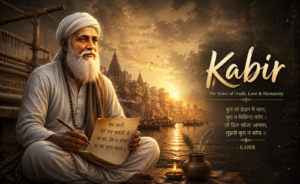
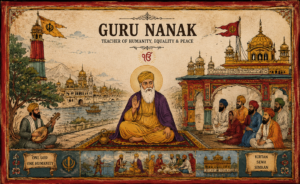
Medieval Indian Ethics 🕌🎶
During medieval times, ethical ideas evolved through the Bhakti and Sufi movements.
Saints and poets preached:
- Love for humanity
- Equality
- Spiritual devotion
- Rejection of caste discrimination
Important figures included:
- Kabir
- Guru Nanak
- Bulleh Shah


Modern Indian Ethics 🇮🇳
Modern Indian ethics focused on freedom, equality, and human rights during colonial rule.
Mahatma Gandhi
Mahatma Gandhi made non-violence and truth central to political ethics. His philosophy inspired civil rights movements worldwide.
Dr. B. R. Ambedkar
B. R. Ambedkar fought against caste discrimination and promoted equality, justice, and constitutional rights.
Rabindranath Tagore
Rabindranath Tagore emphasized humanism, education, and cultural harmony.


Conclusion ✨
The history of Indian ethics is a journey through spirituality, philosophy, compassion, and social reform. Indian ethical traditions influenced millions of people across the world and continue to shape discussions about morality, peace, equality, and human values today.
From the Vedas to Gandhi, Indian ethics teaches that true progress comes through wisdom, justice, and respect for all living beings.