Our Location
304 North Cardinal St.
Dorchester Center, MA 02124

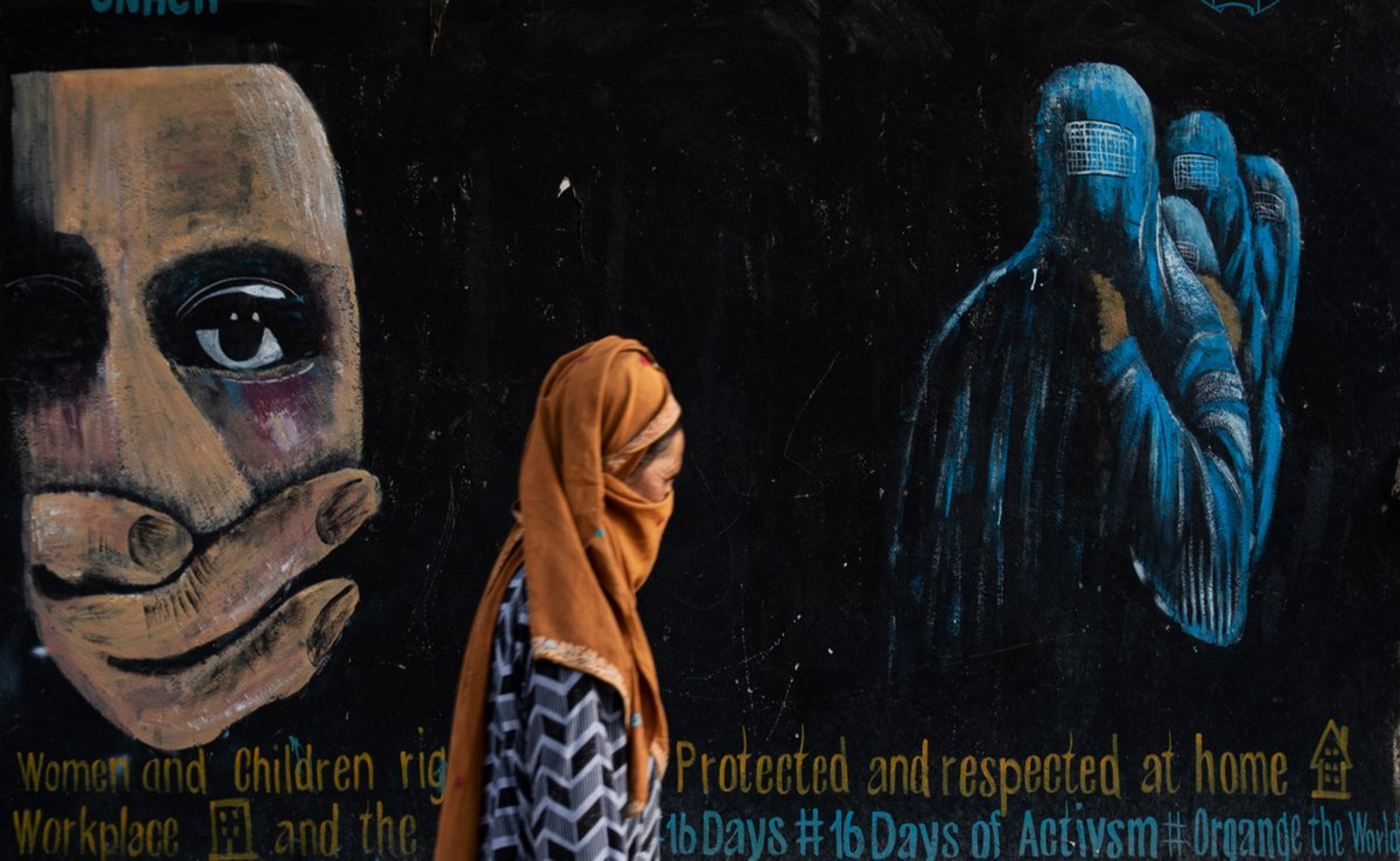

Pakistan’s past is packed with stories of courage and defiance. If you look close, you’ll always find women and transgender people right at the center—standing up to injustice, discrimination, and the endless walls society puts up. For them, it’s never just about their own freedom. It’s about building a country where everyone gets respect and has their rights.
From the moment Pakistan came into being, women have shaped its direction. Take Fatima Jinnah—she stood for democracy, justice, and education, lighting the way for so many. In cities and villages alike, women became teachers, doctors, writers, journalists, activists—the list goes on. They proved one thing for sure: you can’t move a country forward if you leave half its people behind.
Lately, the fight for women’s rights has only gotten louder. Movements are demanding better education, safe workplaces, protection from violence, and the right to speak freely. And if you’ve seen the crowds at the Aurat March, you know how powerful that determination is. Each year, thousands turn up, calling out harassment, forced marriage, and gender bias—making it clear they won’t stay quiet.

But it’s not just women shaping this new Pakistan. The transgender community, too, is pushing hard for change. They’ve faced decades of exclusion, violence, and poverty, but leaders and activists from the Khwaja Sira community keep fighting for recognition and equal treatment. These days, transgender activists are working for better access to education, healthcare, jobs, and protection under the law.
A big shift came with the Transgender Persons (Protection of Rights) Act of 2018. This law promised real protections—official gender recognition, and a stronger stand against discrimination. It marked a turning point—not perfection, but progress.
Education is one of the most powerful tools in this fight. Malala Yousafzai showed the world what happens when you refuse to be silenced. Her push for girls’ education inspired millions and underlined a simple truth: knowledge means power, especially for those who’ve been told to stay quiet.
Now, social media and digital spaces are giving women and transgender folks a chance to speak up. Young activists tell their stories, run campaigns, build support networks—and they do it in every field, from journalism to art to business. They’re rewriting the rules, showing the world what freedom in Pakistan really means today.

Of course, it’s not all smooth sailing. Gender-based violence, stigma, and job discrimination are still real. In rural areas, rules can feel even harsher, and acceptance for transgender people is still a mountain to climb. Every step forward comes with new challenges.
But hope is growing. Every protest, every girl who gets an education, every activist who won’t back down—these are signs that change isn’t just possible, it’s already happening. The struggle isn’t just about laws or politics anymore. It’s social. It’s cultural. It’s deeply personal.
The courage of Pakistan’s women and transgender communities makes it clear: change can happen. Their voices are shifting the conversation, opening minds, and pushing future generations to believe in justice and dignity for everyone.
In the end, freedom only means something if everyone gets a share in it.
