

Introduction
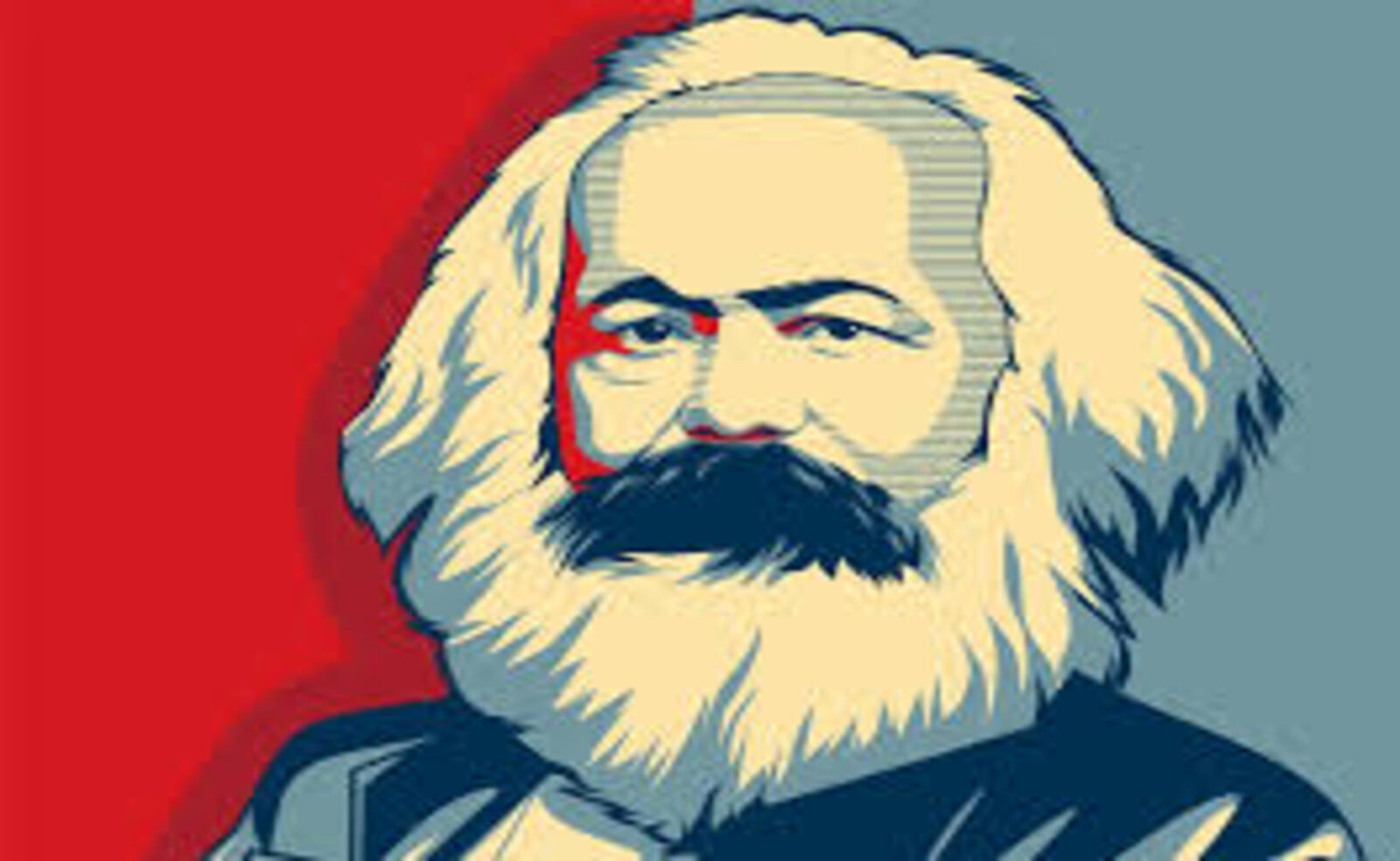
Karl Marx was one of the most influential thinkers in modern history. He is best known for developing the ideas of communism, class struggle, and criticism of capitalism. Among his many theories, his views on religion became highly famous and controversial.
Marx believed that religion was deeply connected to economic and social systems. According to him, religion was not simply about spirituality or faith. Instead, it was a social tool shaped by human suffering and inequality.
His famous statement:
“Religion is the opium of the people.”
became one of the most discussed lines in philosophy and political theory.
Historical Background 🏭


Marx lived during the 19th century when Europe was experiencing the Industrial Revolution. Large factories were growing rapidly, but workers often lived in terrible conditions. Poverty, child labor, and inequality were common.
Marx observed that:
- The rich factory owners controlled wealth.
- Workers suffered while producing goods.
- Religion often encouraged people to accept suffering patiently.
Because of this, Marx believed religion helped maintain the existing social order.
Religion as “The Opium of the People” 💭


When Marx said religion was the “opium of the people,” he did not simply mean religion was evil. In the 19th century, opium was commonly used as a painkiller. Marx believed religion acted like a drug that reduced emotional pain.
According to Marx:
- Religion comforts suffering people.
- It gives hope for a better afterlife.
- It distracts people from fighting injustice in the real world.
He argued that poor people were told to remain obedient because rewards would come after death. Meanwhile, wealthy classes benefited from this obedience.
Marx believed religion could prevent social revolution because it reduced anger against inequality.
Religion and Class Struggle ⚒️
For Marx, society was divided into two major classes:
- The Bourgeoisie – the wealthy ruling class.
- The Proletariat – the working class.
He believed religion often supported the interests of the ruling class. Religious institutions sometimes worked closely with kings, governments, and wealthy elites.
Marx argued that religion could:
- Justify social inequality.
- Encourage obedience.
- Reduce revolutionary thinking.
- Protect systems of exploitation.
In his view, real freedom would only come when economic oppression ended.
Marx’s Materialist View 🌍


Marx followed a philosophy called historical materialism. He believed material and economic conditions shape human ideas, culture, politics, and religion.
This means:
- Economic systems create social structures.
- Social structures influence beliefs and values.
- Religion develops from human social conditions.
According to Marx, if society became equal and classless, religion would gradually disappear because people would no longer need it for comfort.
Criticism of Marx’s Theory ⚖️
Many scholars and religious thinkers criticized Marx’s ideas.
Common criticisms include:
1. Religion Inspires Positive Change
Some argue religion has helped fight injustice rather than support it. Leaders like Martin Luther King Jr. and Mahatma Gandhi used religious beliefs to promote peace and equality.
2. Religion Is More Than Economics
Critics say faith cannot be explained only through class struggle or economic conditions. Religion also involves spirituality, morality, culture, and personal experience.
3. Religion Still Exists
Marx predicted religion would disappear in modern societies, but religion remains powerful across the world today.
Influence of Marx’s Ideas 🌎


Despite criticism, Marx’s theory strongly influenced politics, sociology, and philosophy.
His ideas affected:
- Communist movements
- Socialist governments
- Academic studies of religion
- Modern political theory
Countries influenced by Marxism, such as Soviet Union and China, often promoted atheism or limited religious influence in politics.
Conclusion 📝
Karl Marx viewed religion as a response to human suffering created by unequal economic systems. He believed religion comforted oppressed people while also helping maintain social inequality.
Although many people disagree with his conclusions, Marx’s theory on religion remains one of the most important and influential discussions in philosophy, sociology, and political thought. His ideas continue to shape debates about faith, society, power, and economics even in the modern world.