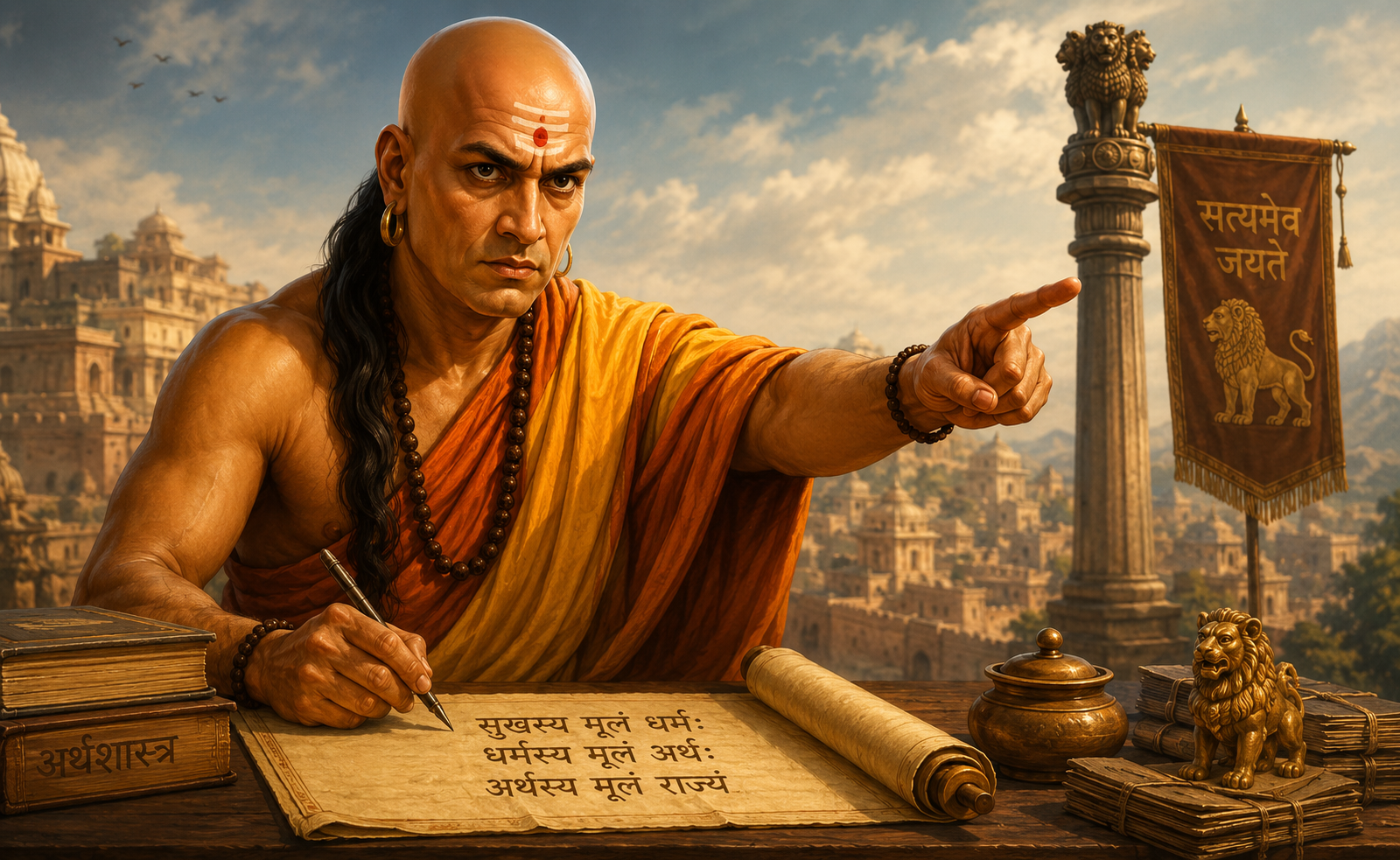
Top 10 Philosophers in History

Philosophy has shaped human civilization for thousands of years. Great philosophers questioned reality, morality, politics, religion, and the meaning of life. Their ideas continue to influence science, education, law, spirituality, and modern thinking.

Here are ten of the most influential philosophers in history.


1. Socrates

https://images.openai.com/static-rsc-4/CRGaomwr0dG8uOwvWXfUT0yikumGgZoqRpS2-KjgwUPTyAOgDWcoxMs632fxHLC9LzbnOK7DXRvDyuqoE1FkUxr_QGcwIh4h-3qL2WNcKbY3LeOBOuCmRrw-pKekJ4nyrCkbRGnh23aNcPomsSJppmJcmyZ7HYrLOS13RZJ2pbZiBAw0hwWl8nhMQg2Dh453?purpose=fullsize
https://images.openai.com/static-rsc-4/UEa7zQFAgRN2pVdU7yyupG4WZm_wt_oIG2so4igaXI5AfaO_dqvHr7PAA13ulhk-5SlPFOfgq4hjGbbRB0XTRGS2xAaU253fdR5ORTfSgocqZp7XeMGmS1eQbks-JZylmbYzKnxQzI0RIap77WIbO2vCp_Rp5UsXVyT6Nrji9zLEeNzT9OqECxM1CQhn4hiM?purpose=fullsize
https://images.openai.com/static-rsc-4/kasoLUuSbXB9-G1nHFzQkrOEkwFwX-_51WDyDHox75xrgFm3UqR6t8jgamaO36MJWBLK0SaO8QkrTlJmB5ZrSbFdHfGZ_KsMcV1mucfpZKjFpOVt43d-FyOAR1RPRSZzVhlfIUBKOkSi5jmett-5gfNG__Afp1Ajm9drUOClTpL8qI3UobxIRqWddmrEkAV5?purpose=fullsize

Socrates is often called the “father of Western philosophy.” He believed that wisdom begins with questioning. Instead of writing books, he taught through conversations and debates.

His famous method, known as the Socratic Method, encouraged critical thinking by asking deep questions. Socrates was sentenced to death in Athens for allegedly corrupting the youth, but his ideas survived through his students.

Famous Quote:

“The unexamined life is not worth living.”


2. Plato

https://images.openai.com/static-rsc-4/ug8oa9-eq32E6kEw7HAGfsqLj0aNLh7mMPhT3inCmPUEyqkttdftx0gjL7A9CIWh2D__qY6nkgE84Pz1TZKCgB77KSRANpaIk57-ZyeaJ3GOpUHy5nBE_nSOs3_h3ftU4JXL8b_RXSlMSda4hykW8S6YSgUinwN2mXVjySAzoQZlTd01NPYzTCGc7lzwSSH3?purpose=fullsize
https://images.openai.com/static-rsc-4/gNgU858nG0t8xcYpujRXT_ZZpwspE--nhhHWKl5c-EL5X8rHJGwiIJlqaz8Adjl1K3KICFnwG8oaUD9a_6lmDT22muSdmbJsd7oZbSJeiiXe7O7aPy3hcHE5cVW7T69DoPLWFs00DMlngkNGEa6sLNeNDY5meBBoL0sApu1peVYto7uHM8jb9gkaZAHv3ti3?purpose=fullsize
https://images.openai.com/static-rsc-4/nqptgrq5nH1j2ZiSErLfBoRBQGOJF1zbmQL1v4vOi7mRHPHesmEAnH4Lm0sILKVUOd4tspPuKElnZI0srErBFtDdKrzo9xApmcf0pww5ZaIuAz10CovGP7d0oIKWISiv--fJfQnq0wLMkDiMafHNd9wBBLX47GJJsH-5fdEP3dulLglO8lwkGDYJ4wMarzPk?purpose=fullsize

Plato was a student of Socrates and founder of the Academy in Athens, one of the first institutions of higher learning in the Western world.

He wrote many philosophical dialogues discussing justice, politics, love, and reality. His theory of ideal forms influenced philosophy for centuries.

His famous work, The Republic, explored the concept of the ideal state and philosopher-king.


3. Aristotle

https://images.openai.com/static-rsc-4/-IdsJUKMMPpRFThxIQX53rdHD3ZeQhs516dD0pt0SBD3CpxOCMAHjW7lDPnRbODCfpaabHaltEOeeSMvybDagdB62rfunX7ezcM_82_x7QPCMuLBKgX2NChMGtoy_MVLCNopJOxjChw_XnoNLm5Mo3qgvGw2hs3CINNCfosFuTH9UgI7aD0z1mQbHW4qTzji?purpose=fullsize
https://images.openai.com/static-rsc-4/JArkV2Qn_TcZNmK1QPERgByyJK96Idta5dufLXZxuAOt-vv2AqTou6QOgv07AhuNb1MTn8kIxBCaRJxJjR1_QeR9z0ejOaLXAv6UWp3X7Flkt4FOaMFiMtAADKG6PlY3S-INazCLEcpFExzxZ8LWWs-VSW1QDBg8-2pd-9r56bIgkthyYMKwiYlAwco2qbF7?purpose=fullsize
https://images.openai.com/static-rsc-4/ll5AihYZ1g3ndunOnUH-9aGjVTb8-RZsr2tikKXHA1up8TKSpDs-WA37F6mQywdVguk19RqDgoCo6AR1BoP3G4iGhxYl_CO35O0mvmAaQiiHeWjVZTi2b8deLzKhn-1XQAMm0ZCg6pxxyqvSAHhPuaSLUfVaenfdFuDs6FgT0IJlc4xsYbtRfJTsHjxmZTdi?purpose=fullsize

Aristotle was a student of Plato and teacher of Alexander the Great. He made major contributions to logic, biology, ethics, politics, and science.

Unlike Plato, Aristotle focused more on observation and practical knowledge. His writings shaped medieval science and philosophy for over a thousand years.


4. Confucius

https://images.openai.com/static-rsc-4/fYhmNmlV-pvyyEvVWFh5CNPJsYPszib6La3iWrFPh6wpIVz4LQhJ8HC8OE1JgXiao1vgzR6GTpKrKI3ojZt3VYW_TWvtInZ4H1ny7QQKkF8HIhL4QycVrhOu6Uak9eJjdpZgdlOW5_fNbuv27TVi2ra-xb-8FWa3ZuMwz0v0y-M4-q93s9G_yyYBqulEeyeG?purpose=fullsize
https://images.openai.com/static-rsc-4/T6bNSpx8DkCZMLCYJpEcxCfHkBfOyo3fFA8W3I9oVTW9Um-P8dgTX5oGBhn_mzIanMMB1AyW6CtsUrfmMduOY41QyuYXQbjULCGIPKqVBZ1gZFzR_8LjyJrODbrkPsYGakWEQgnLOF0ye8vBQCtJF3wRhxaQ2BEzgzNYVoMp_-fC7V6D1gG61ZCgVJWtvJq0?purpose=fullsize
https://images.openai.com/static-rsc-4/l63rg5ijUI_Kcgf_UwyhewIX9dNsnl-DlioOFJvlPFxNEn9-46mHF3MJUEg-tZelqRhLtA_d2jyldZqbzJYOcxLZppNk9id5T3jOoTC29foPKT0RxM0DzWHylviuSELpLHGewvE0foVreKKHOLu7nQnSN8EOcr8lVVMuloU0RkNymlTA4xul6pXwq1yDp-OZ?purpose=fullsize

Confucius was one of the greatest philosophers of China. His teachings focused on morality, family respect, discipline, education, and good governance.

Confucianism deeply influenced Chinese culture, politics, and education across East Asia for centuries.


5. Laozi

https://images.openai.com/static-rsc-4/f4cZxyM7VhP-yNAzcmMBUY8dLUsKk03gQYUi2tx81AxP09QYAdngA30ntPwxDoo3W8D-HNirVOh-kWOsO64iQGXmdCS7_OJGfX55sv6K2PD6cV6PkJychz2sP_CsZ2TkJ2vKh1keFxRDQhTyQN81fh9iIA-_YmDBuE79Wra8TUHFNzpFEuRUwBlZc9vHD5aH?purpose=fullsize
https://images.openai.com/static-rsc-4/Hcf8FuoWx_wwr-e8QKBr7EM5z39_DD6EH29mK5bhH49D-5N8aFOwGq9xmN210dh09G0pli6sUHFMxQwS6O0VIrMHmefjpyy1y8KAWyV76rf80JVXKhUSSBS88yBYA8zLtHUpWZ3pBdMdWoYs5ePwcpYpmULbkK1luydDndascNSlQ8jTI3xxT57992SLxEmO?purpose=fullsize

https://images.openai.com/static-rsc-4/MtsGQqa4ijNnjBt3EiAeq2kWUGBoP8VsO-9bg6J-ulbajANdVKpMK-OLdDQYUWqxKTpstwQ4knq7Ho6gBEXd_i5Csn2--ZAD7OcgokSuJY5H2foZHffTsnStmmwtcrP7zY0JoRcRE7cYfpZ5TIJ0xpY_Ks737Ff6ZjS2fg615L-YVpAqBbIv1yO2Q1O6BGbx?purpose=fullsize

Laozi, also known as Lao Tzu, is traditionally considered the founder of Taoism. He taught the importance of harmony with nature and living simply.

His famous book, Tao Te Ching, became one of the most influential spiritual and philosophical texts in history.


6. René Descartes

https://images.openai.com/static-rsc-4/m8FQdDhrMmdyb3IevbmDzbPo7KyAHn0vnkAfnCNAER18PXbf_0_RyIEN-fR_Dq4XMsltOw4QjvFdOC97iE0IjSCtaDHNjqma4LWjD8-NSCawMhO8y4mzAyOsTcfZ4duBQoqhMQdlsynUq69yU1_sB6ga_L9aE2MJWFYA8UTav3JPvPLwzWU97Dp2eTN05r6c?purpose=fullsize
https://images.openai.com/static-rsc-4/u7ROc9RgotBGwJ-GIiDtaomdrKy_roFtyBg_MhzF6W4vupCCDL7V2tSP91VoBAbdb5TqX26eeoQehHlRyF9gMO2lVataWWrL_nI5b0EGAS5p9cWNY_hQqB33VpS3Uawfo6xWyDwhAps4FFm4LiypafxAHFUcTxiuUjNCweBIeW2xfu4lBgnd6Xul97SrmEcE?purpose=fullsize
https://images.openai.com/static-rsc-4/5T-aIYaUUxsdGxcZAuCwG16N--AY447i73CNR9kIwVpAERvFQ5V2FP0M6nsXNX-pqeUc0AFwtw4i0WyjwlUAJtF5prlPJWV0ciiHH5OSHM3gAuz2S4JNcOndvjrdofDmbZe_6K74GCwc6vVc0b3M6OM6l2uT6cdSUo0hyu0_-vNEXe76P10xrnIXL8kKCJ1s?purpose=fullsize

Descartes is known as the father of modern philosophy. He emphasized reason and doubt as paths to knowledge.

His famous statement:

“I think, therefore I am.”

became one of the most important ideas in modern philosophy.


7. Immanuel Kant

https://images.openai.com/static-rsc-4/vPkuQFEC4oOtSAM1lSXKLa4dV2LakfM4ffoQyf012_b_UkwDBHGe3pD016VpOsCq2D2WsnadJH_x0D73kObdiLDM_j7slf2KTtQQbCgDMFd2mYQ8REJscRPBg3CqNoKaqLPTJVHBVeJ0B99xAVJBuQUl266Hl-DUE0Y7RmGh6Pwcpqs6hs0V0CqqHaXh_zIb?purpose=fullsize
https://images.openai.com/static-rsc-4/x0URvj6xw--BPqCvXmP017sEb3csFUumVCzNqITuIsOn7gyMJvYDHsz11bkv_uhgnuFVgpnB5r_SKhk32ZSYC22zCdxaCXPAO3SIq0dSThtyGFkvqQWYZo04hW-yiZPPlqnZQDXMXARZPpJhDjP7M2lYdgm4S47zLT1Ctzn9R_jFNsXVAXVK8UxnydNTJYXd?purpose=fullsize
https://images.openai.com/static-rsc-4/2RF9VTLOkJMYqcTvUeTbNb2_YpWhQx4TdvfpL9WZ4w8HjM9uzjM6EmskzR9A-FhIm1BHIRN__oTxRM4e1vv04kRWwg6IvzoRQ36OwYxKfEvkz684eAf0ygYXVFKiQmy9wHXdsFkCdpSMEvpt0q9V2qb_BC5xBHUKvSkEOBLocpxZ8wEoPLlKl-96i2kvl9bv?purpose=fullsize

Kant transformed philosophy by combining rational thinking with human experience. His work influenced ethics, politics, and metaphysics.

He believed morality should be based on universal principles and duty rather than emotions or consequences.


8. Friedrich Nietzsche

https://images.openai.com/static-rsc-4/9Gg5v3064cy3b8lx8b-ZfaJlglxkpDYErXopQVViUkUXGixyXD41McvGhzSmloBIJB9A_T_gAWAyxvdDzS0RrlUEd37Qk3LJrDyAjaKfr1l1L2nZRbhFIjWNpNCyGEeWBP4M27dh9NQse5mMZNnU7b5bvVhh0cgha81h2-RoXhl2ERk-nEt7F1_rwWhtMO-5?purpose=fullsize
https://images.openai.com/static-rsc-4/ZQunygfPgaI9wkjrgbPNUeIXvvwnuqdUWacGPs1TohHKavOk1MZRyh8c3H2UusNIOkFK_CtqVuce0xSmSXdyJfCvqdVTWjp5JnKr3qh-xPw9SidbISz7nsju_u9cznhazMdRV1m92bTncPu8XM2lpdfqZro1u58aohn4UwR4Ps6Ux4NC4lL5TOpxm-8Kxyc_?purpose=fullsize
https://images.openai.com/static-rsc-4/kHHfzKosQPip8Ok1fRh93DjnbIPnNsOKh7bFKSqEAxNT5XM2H27jyJoNLgiRRmNwy0hwY-ew3eUo5kdJlZkNw-oT7BD0UNYY3CelKy5AxIp3iV7fsDZYLhG5z7FMKbxJCNx0kDPrJYKZbD_n1jabponaLSTX8BKFqR_9xuNiAJW2X8bGT1N3Axz1G5Zd7nfk?purpose=fullsize

Nietzsche challenged traditional morality and religion. He explored themes such as power, individuality, freedom, and human potential.

His philosophy influenced psychology, literature, existentialism, and modern culture.


9. Karl Marx

https://images.openai.com/static-rsc-4/EFHjKqceBpwkbjmzbkiXTQVduURMu2auDKSw9ee5lE1f0Om4te_Rrj8qamOJY9JWLBBnPTk1XKgSVepCkCsFKblRE_Imids0rdojmIimy4c7lOiSomygP-coK80z9GhrH08Ox9sovGQcTtOrrlJa-Pmzc-DYfxu9RF0YM4YZdhsDWq1EvEhOAM01CEyQ6bEf?purpose=fullsize
https://images.openai.com/static-rsc-4/e_nBqgvGubA5xLiRTmmQvwI-XQl38xf8f7VE76JtldH1LhxJ_dH5eP4c4daoXc_BePvkLRrMfI9c0fLU758v65rGXq5DFsDuM8guK5njjYTmrQH9Q2RVtsjv7GGUCcT-sgMNX1ytzAZgh-q9odPqoXtqcdExGeLQvwccexpvbmWty6A66a1AUclHqmopYcDT?purpose=fullsize
https://images.openai.com/static-rsc-4/_HJuUDfCilzJVFD-S6sZdt8LmUUIiKcyRDDIxc3OX9bZWbuTxGc6mK1aFRYSouxpXiPk7hUViCTOs4XxJc3P_2Rkc4qWeaU47rg_hPkwmEou-OK7EKjo8P9ofUUC3FFEA4nXDZOhhVGTwFmaIjXADre7oOWEq9vxK4UmQumWbCYc0IAjdXIP90MrIyn2IbOD?purpose=fullsize

Karl Marx was a philosopher, economist, and revolutionary thinker. He criticized capitalism and developed the theory of communism with Friedrich Engels.

His ideas transformed world politics and inspired many social movements and revolutions.


10. Jiddu Krishnamurti

Krishnamurti was a modern philosopher who spoke about freedom, self-awareness, fear, and the conditioning of the mind.

He rejected organized religion and encouraged individuals to discover truth through direct observation and understanding.

Leave a Reply

Shopping cart

0
image/svg+xml

No products in the cart.

Continue Shopping