Our Location
304 North Cardinal St.
Dorchester Center, MA 02124

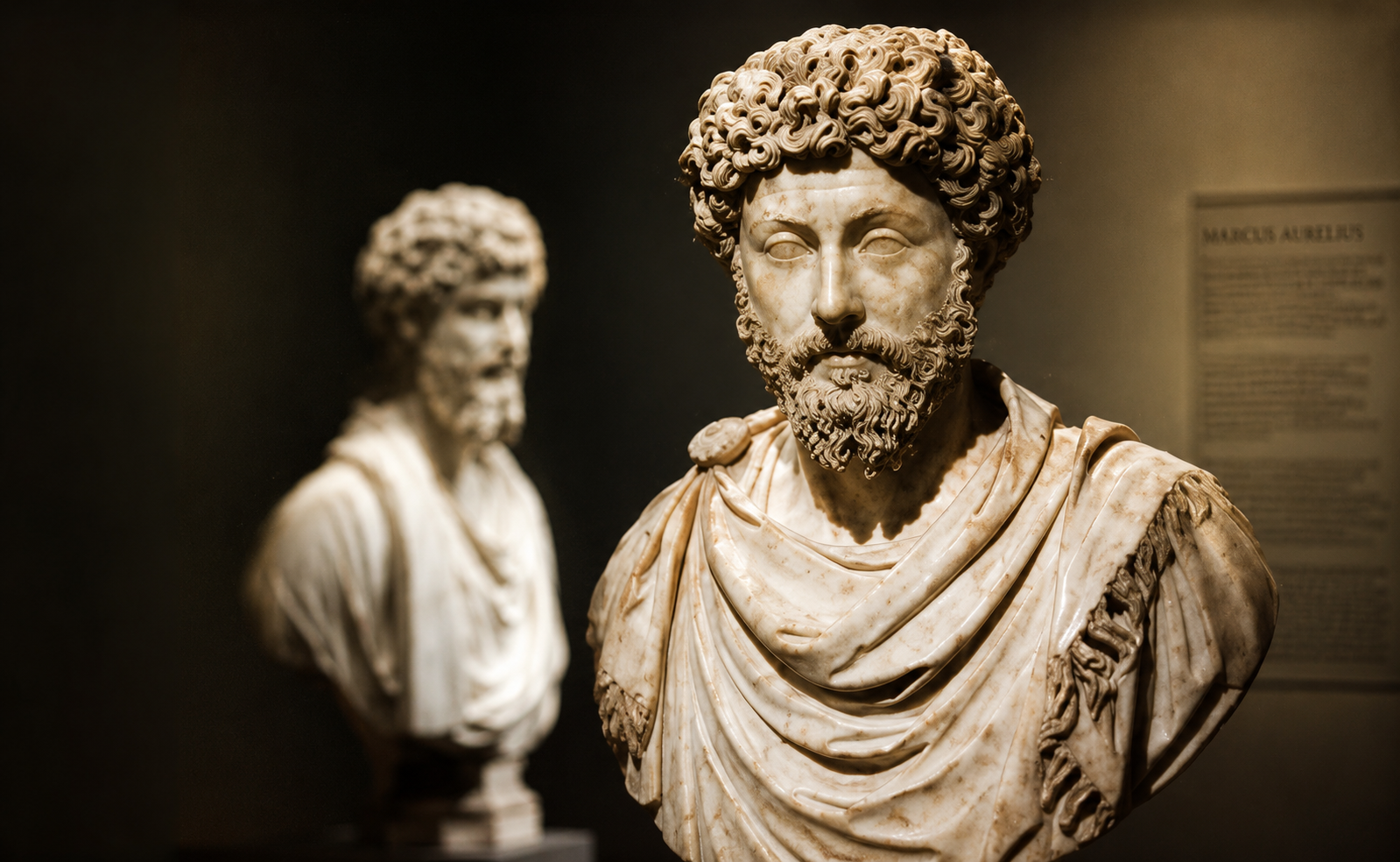
Stoicism has shaped the way people think for centuries. Way back in ancient Greece, more than 2,000 years ago, philosophers started passing down its lessons on staying calm and clear-headed—even when life takes a sharp turn. That’s probably why Stoic ideas still show up everywhere today, from leadership courses to self-help books.

Where Stoicism Got Its Start 🏛️
Everything began around 300 BCE in Athens. Zeno of Citium, a thinker from Cyprus, started teaching in a busy marketplace called the “Stoa Poikile”—that’s Greek for “Painted Porch.” That’s actually where the name “Stoicism” comes from.
Later on, others picked up the torch. You hear the names: Seneca, Epictetus, and Marcus Aurelius. They each added their own take, but they all agreed—you find meaning in life by practicing wisdom and having self-control.
What Stoics Actually Teach 📜
Here’s what really sits at the heart of Stoic philosophy:
You can’t do much about fame, wealth, or what people say about you. None of it’s really in your hands. But you get to decide how you think, what actions you take, and how you react to what happens. That’s the part you own.

Want to be happy? Stoics say you have to choose virtue. The big four are wisdom, courage, justice, and temperance (that’s self-control). Aim for those, and you’ll find peace inside, no matter what’s happening outside.
Bad stuff happens—pain, loss, disappointment. The Stoics didn’t shy away from that. Instead, they encouraged people to accept it, not fight against it with pure emotion. That’s just how life works.
It’s not about shutting off your feelings. Stoics wanted people to understand emotions, not get swept away by them. Think things through and stay steady.
Marcus Aurelius and His Meditations 👑
Marcus Aurelius stands out—a Roman emperor leading one of history’s biggest empires, facing endless challenges. Still, he made time to write down his thoughts on discipline, humility, and mortality. His notes, known as Meditations, became classics.

One of his best lines? “You have power over your mind—not outside events.” He lived by that truth, even from a throne.
Why Stoicism Still Matters 🌍
Stoic philosophy is everywhere today. Therapists, athletes, business leaders—they all borrow from it. Daily journaling, meditation, imagining worst-case scenarios to build gratitude, keeping your emotions in check—it’s all straight from the Stoic playbook. Cognitive behavioral therapy? Looks a lot like Stoic training.
Criticism? Sure. ⚠️
Not everyone’s a fan. Some people say Stoicism takes emotional control too far, making you look cold or detached. Others argue it doesn’t give enough space to actually feel and express emotions.
But Stoicism isn’t about turning off your heart—it’s about steering it wisely.
A Lasting Influence 🏺
From ancient Rome to today’s podcasts and bestsellers, Stoic ideas keep finding new audiences. When the world gets noisy and stressful, their advice still cuts through: keep your head, accept life as it is, focus on what you can really change, and build resilience inside.
Honestly, those lessons are just as vital now as they were two millennia ago.
