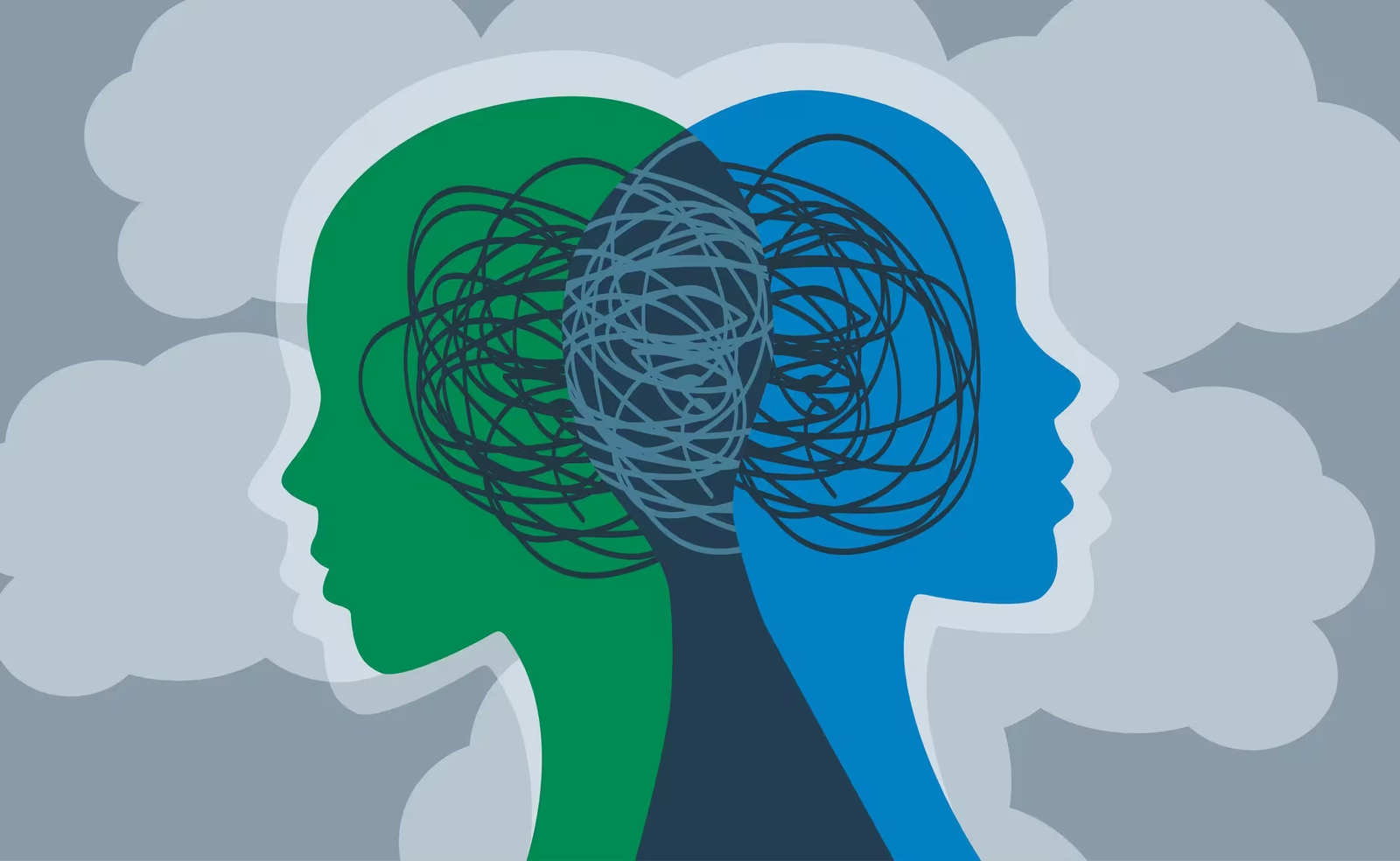
Psychopathy Personality

Here is psychopathy in a nutshell What is psychopathy: Psychopathy is a personality construct that has gained much scientific attention but is also very commonly misunderstood. It is not, for the most part, diagnosed as a standalone in contemporary manuals, though it has a strong relationship with Antisocial Personality Disorder (ASPD) because it involves similar behavioral characteristics coupled with a unique set of interpersonal style and emotional deficits.

Here is a simple, outline the basic tenants of what actually psychopathy consists of :


🧬 Visual Overview

Image

🧩 What is Psychopathy?

Psychopathy refers to a personality pattern characterized by:

  • Reduced empathy and emotional responsiveness
  • Superficial charm and manipulation
  • Impulsive or antisocial behavior
  • Lack of guilt or remorse
  • High emotional control in stressful situations

It is typically assessed using clinical tools like the Hare Psychopathy Checklist (PCL-R).


🧠 Core Psychological Traits

1. 🧊 Emotional Traits

  • Shallow emotions
  • Limited fear response
  • Low empathy
  • Absence of guilt or shame

2. 🗣️ Interpersonal Traits

  • Superficial charm
  • Pathological lying
  • Manipulative behavior
  • Grandiose self-image

3. ⚡ Behavioral Traits

  • Impulsivity
  • Risk-taking
  • Rule-breaking behavior
  • Criminal versatility (in severe cases)

🧠 Brain & Biology Factors

Psychopathy is strongly linked with differences in brain function:

  • Amygdala hypoactivity → reduced fear & emotional learning
  • Prefrontal cortex differences → weak impulse control
  • Reduced emotional connectivity → difficulty forming emotional bonds

These patterns suggest psychopathy is not just “behavioral,” but also neurological in nature.


🧪 Causes & Development

Psychopathy is believed to arise from a combination of factors:

🧬 Genetic Influence

  • Heritability plays a significant role
  • Temperament differences appear early in life

🌍 Environmental Factors

  • Childhood neglect or abuse
  • Inconsistent parenting
  • Early exposure to violence

⚖️ Interaction Model

Most researchers support a gene + environment interaction model, not a single cause.


⚠️ Myths vs Reality

Myth ❌Reality ✅
All psychopaths are violent criminalsMany function in society normally
Psychopathy = insanityPsychopaths are usually fully aware of actions
They cannot feel any emotionThey do feel emotions, but in a reduced/limited way
It is untreatable in all casesSome behavioral management is possible

🧍 Behavioral Warning Patterns

Psychopathic traits may show through:

  • Repeated manipulation in relationships
  • Chronic lying without stress signs
  • Lack of accountability
  • Emotional coldness in serious situations
  • Exploiting others without remorse

⚠️ Important: These traits alone do NOT confirm psychopathy. Clinical assessment is required.


🧠 Treatment & Management

Psychopathy is challenging to treat, but not completely outside intervention:

🧩 Approaches

  • Cognitive Behavioral Therapy (CBT) (limited effectiveness)
  • Behavioral management programs
  • Structured environments (in severe forensic cases)
  • Focus on reducing harm rather than “curing personality”

Leave a Reply

Your email address will not be published. Required fields are marked *