Iranian women have played a powerful role in shaping the country’s culture, education, politics, and social movements. However, Women’s Rights in Iran remain one of the most debated human rights issues in the world today. From compulsory hijab laws to restrictions in marriage, travel, and employment, women in Iran continue to face major legal and social challenges. At the same time, Iranian women have become symbols of resistance, courage, and activism. ✨


History of Women’s Rights in Iran
The history of women’s rights in Iran has changed dramatically over time. During the early 20th century, Iranian women began demanding access to education and political participation. Under the rule of Shah Mohammad Reza Pahlavi in the 1960s and 1970s, reforms increased women’s rights in areas such as voting, education, and family law.
After the 1979 Islamic Revolution, many of these reforms were reversed. The new government introduced strict Islamic laws, including mandatory hijab and gender-based legal restrictions. Women lost several freedoms related to divorce, custody, and public life.
Despite these restrictions, women continued to pursue education and careers. Today, Iranian women are highly educated and active in many professions, including science, medicine, engineering, literature, and journalism.
Legal Restrictions on Women in Iran
One of the biggest concerns regarding Women’s Rights in Iran is the legal inequality between men and women. Human rights organizations report that women face discrimination in several areas of law.
Marriage and Divorce
In Iran, men generally have greater rights in marriage and divorce. A husband can often divorce his wife more easily than a woman can divorce her husband. Women may also face limitations regarding child custody and inheritance.
Mandatory Hijab Laws
Women in Iran are legally required to wear the hijab in public spaces. Over the years, many women have protested against compulsory dress laws, arguing that clothing choice should be a personal freedom.


Travel Restrictions
Married women may need permission from their husbands to obtain passports or travel abroad. Critics argue that these laws limit women’s independence and freedom of movement.
Employment and Public Life
Although women are active in the workforce, some professions and leadership positions remain difficult for women to access. Gender segregation and social restrictions still affect daily life in many areas.
Women’s Education in Iran
Education has become one of the strongest areas of progress for Iranian women. Women make up a large percentage of university students in Iran and have achieved success in medicine, engineering, arts, and scientific research.
Many Iranian women use education as a tool for empowerment and social change. Despite legal and cultural barriers, educated women continue pushing for equality and reform.


Women-Led Protests and Activism
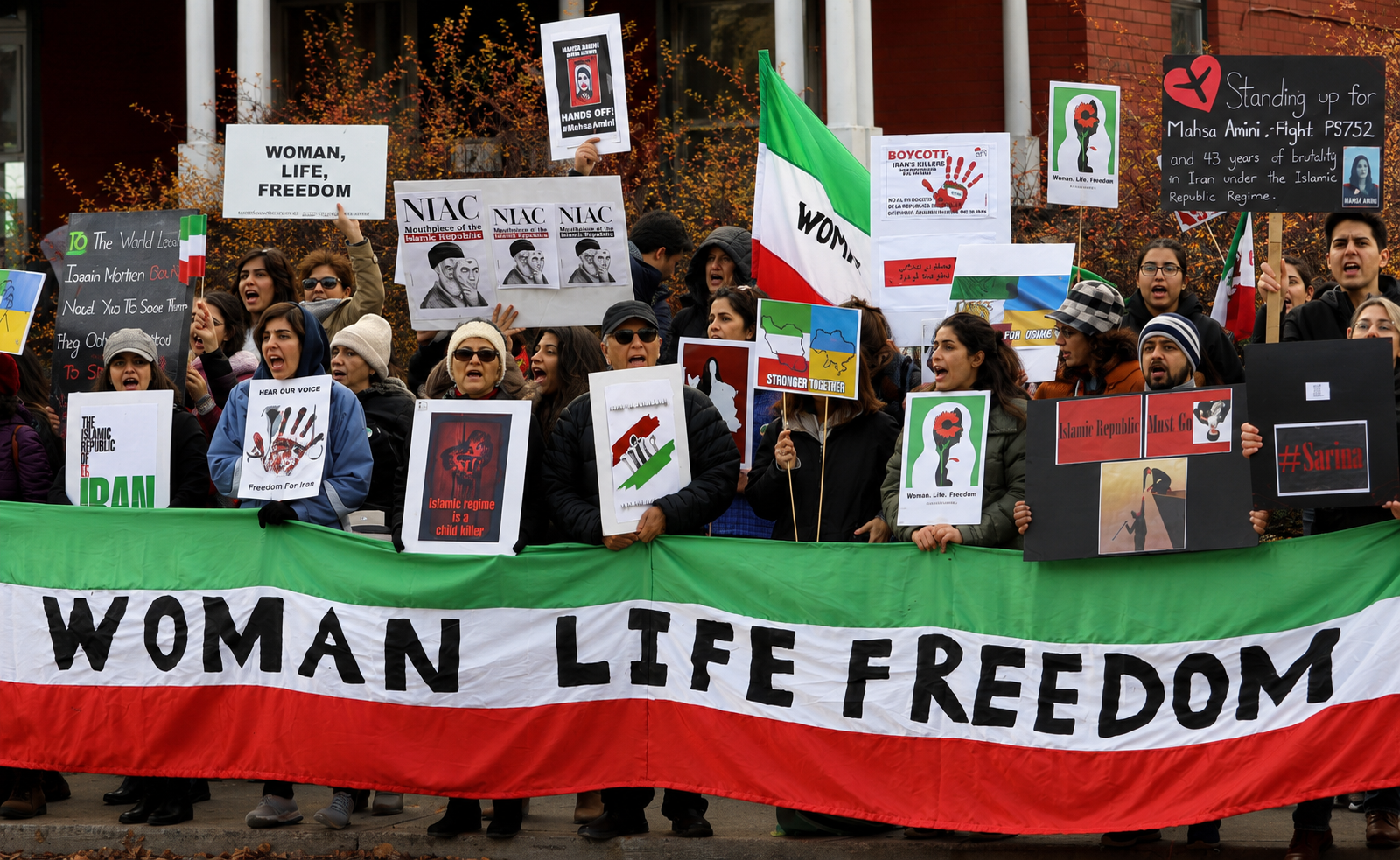
The global conversation about Women’s Rights in Iran became even stronger after the death of Mahsa Amini in 2022. Her death while in morality police custody sparked massive protests under the slogan “Woman, Life, Freedom.”
Women across Iran publicly protested compulsory hijab laws and broader restrictions on freedom. These demonstrations gained international attention and support.
Human rights organizations have documented arrests, violence, internet shutdowns, and harsh crackdowns against protesters.
One prominent activist is Narges Mohammadi, who has spent years advocating for women’s rights and opposing state repression. International organizations and Nobel laureates have repeatedly called for her release and protection.
Recent Developments in Iran
Recent years have shown both continued repression and small signs of change.
For example, reports indicate that Iranian authorities still enforce restrictions on women’s freedom and protest movements. Human rights groups continue documenting arrests, violence, and discrimination.
At the same time, some limited reforms have appeared. In 2026, Iran formally allowed women to legally drive motorcycles after obtaining licenses. While many activists viewed this as positive, they also argued that much deeper reforms are still needed.
Some women in larger cities have also increasingly challenged hijab rules in public spaces, though legal restrictions remain in place.
International Support for Iranian Women
Governments, activists, journalists, artists, and international organizations have spoken out in support of Iranian women. Human rights groups such as Amnesty International and Human Rights Watch regularly publish reports about gender discrimination and state violence in Iran.
Artists and writers have also helped bring global attention to Iranian women’s struggles. Marjane Satrapi became internationally famous for her graphic novel and film Persepolis, which explored life during and after the Iranian Revolution.


The Future of Women’s Rights in Iran
The future of Women’s Rights in Iran remains uncertain, but one thing is clear: Iranian women continue to demand equality, dignity, and freedom. Through education, journalism, activism, art, and protest, women in Iran have become a powerful force for social change.
Younger generations are increasingly connected to global conversations about human rights and gender equality. Despite risks and government pressure, many Iranian women continue raising their voices for reform.
The struggle for women’s rights in Iran is not only a national issue but also part of a larger global movement for human freedom and equality.
Conclusion
Women’s Rights in Iran remain a deeply important human rights issue. Iranian women continue facing challenges related to legal inequality, mandatory dress codes, and restrictions on personal freedoms. However, they also continue leading powerful movements for change.
Their courage, activism, and determination have inspired millions around the world. As global attention grows, the voices of Iranian women continue shaping the future of equality and justice in Iran. ✊