Our Location
304 North Cardinal St.
Dorchester Center, MA 02124

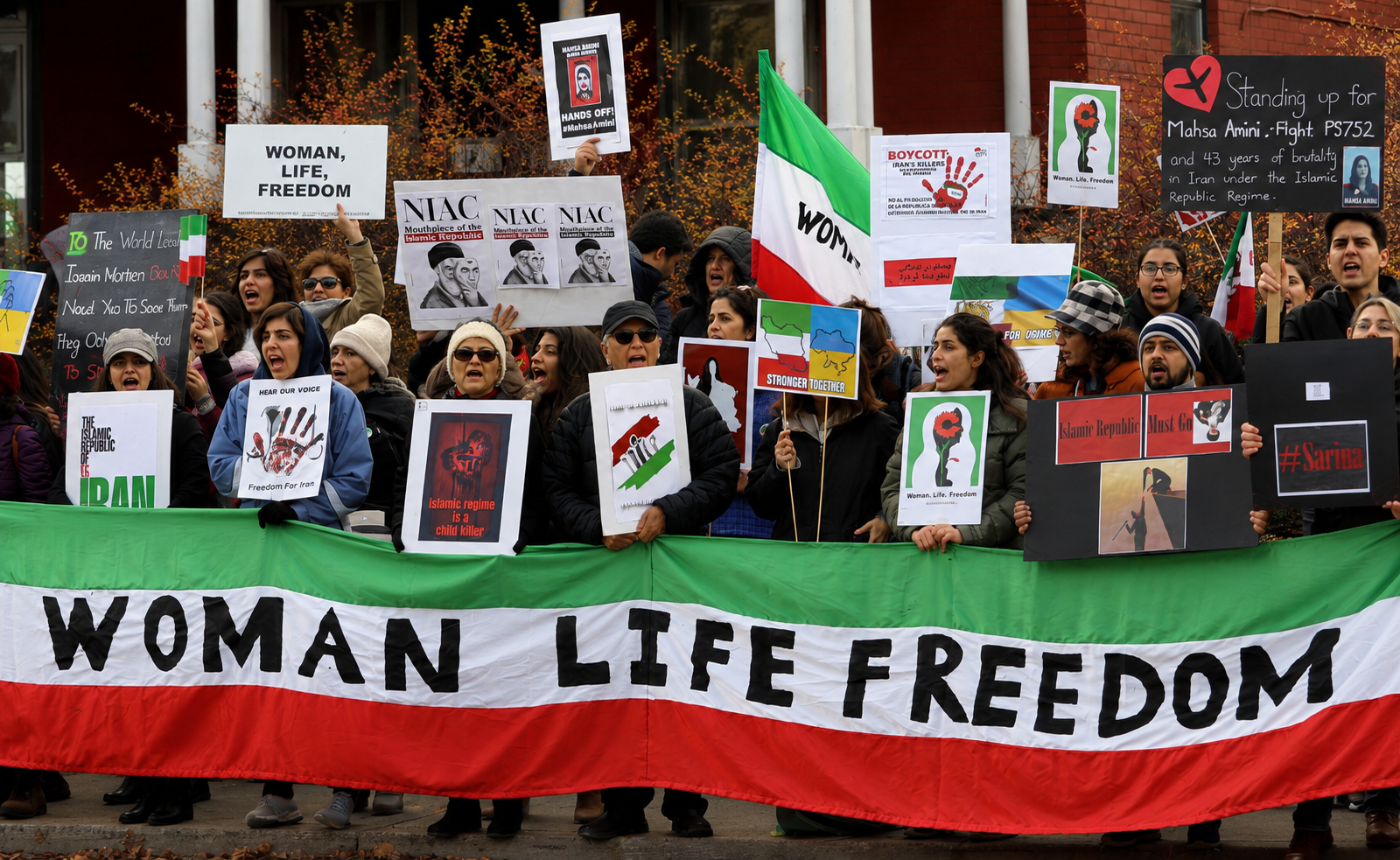
Iranian women have always played a big part in shaping their country’s culture, education, politics—basically everything. But honestly, Women’s Rights in Iran are still one of the most hotly debated human rights topics out there. There’s the mandatory hijab, restrictions on marriage, travel, and work. It’s tough. Still, these same women stand out as powerful symbols of resistance and activism.

History of Women’s Rights in Iran
Things have swung wildly over time. In the early 1900s, women in Iran started demanding more education and a bigger voice in politics. When Shah Mohammad Reza Pahlavi was in power during the ‘60s and ‘70s, reforms gave women more rights to vote, learn, and make decisions in family matters.
But after the Islamic Revolution in 1979, the government wiped out many of those gains. Strict Islamic laws rolled in—mandatory hijab included—and a whole bunch of legal restrictions based on gender. Suddenly, women lost freedoms around divorce, child custody, and public life.
Even with all these barriers, women pressed forward. They chased degrees, built careers, and became some of Iran’s leading doctors, scientists, engineers, writers, and journalists.
Legal Restrictions on Women in Iran
Legal inequality is a huge issue. There’s no hiding it. Human rights groups keep pointing out how the law treats men and women differently.
Marriage and Divorce
Men have more leverage in marriage and divorce. If a husband wants out, he can usually get divorced much more easily than his wife. Women also often get the short end when it comes to child custody and inheritance.
Mandatory Hijab Laws
By law, women must wear the hijab in public. Tons of women have pushed back against this—protesting compulsory dress codes and demanding the freedom to choose how they dress.
Travel Restrictions
If a married woman wants a passport or to leave the country, she typically needs her husband’s approval. Critics say these laws seriously limit women’s independence.
Employment and Public Life

Women have made their mark in the workplace, but certain jobs and leadership roles are still out of reach. Gender segregation and social restrictions continue to shape daily life.
Women’s Education in Iran
Honestly, education has become one of the brightest spots for Iranian women. They’re everywhere in universities, succeeding in medicine, engineering, arts, and science.
For many, education is a way to empower themselves and push for change. Despite obstacles, Iranian women never stop fighting for equality.
Women-Led Protests and Activism
Things really shifted after Mahsa Amini’s death in 2022. She died in the custody of the morality police, and that sparked massive protests all across Iran, with the rallying cry “Woman, Life, Freedom.”
Women flooded the streets, defying compulsory hijab laws and demanding more freedom. These protests grabbed the world’s attention.
Human rights groups have reported arrests, violent crackdowns, and internet blocks targeting protesters.
One standout figure is Narges Mohammadi. She’s spent years fighting for women’s rights, facing state repression head-on. International organizations and Nobel laureates have called loudly for her release.
Recent Developments in Iran
It’s been a mix of harsh repression and tiny steps forward. Authorities still crack down hard on protestors, and human rights organizations keep documenting arrests and abuses.

A small sign of progress: in 2026, women were finally allowed to legally drive motorcycles, as long as they had a license. Activists said that’s nice, but honestly, there’s so much more to fix.
In bigger cities, more women challenge the hijab rules in public—though legal risks remain.
International Support for Iranian Women
Governments, artists, journalists, and activists keep speaking out for Iranian women. Groups like Amnesty International and Human Rights Watch routinely publish reports on discrimination and violence.
Artists have brought the story to the world. Marjane Satrapi’s graphic novel and film, Persepolis, made her famous for telling the Iranian women’s story during the revolution and after.
The Future of Women’s Rights in Iran
Nobody knows exactly what’s next, but one thing’s clear: Iranian women are determined. Through education, art, journalism, protest—they’re pushing hard for dignity, equality, and freedom.
Young people are plugged into global conversations about human rights and gender equality. Even with all the risks, Iranian women keep raising their voices.
Their struggle isn’t just local—it’s part of a worldwide movement for freedom and equality.
Conclusion
Women’s Rights in Iran matter—they’re a pressing human rights issue with real global impact. Iranian women face legal inequality, restrictions on dress, and limits on their personal freedoms. But with courage and activism, they keep driving change.
Their strength inspires millions. As the world pays attention, the voices of Iranian women will keep shaping Iran’s future—and the broader fight for equality.
