
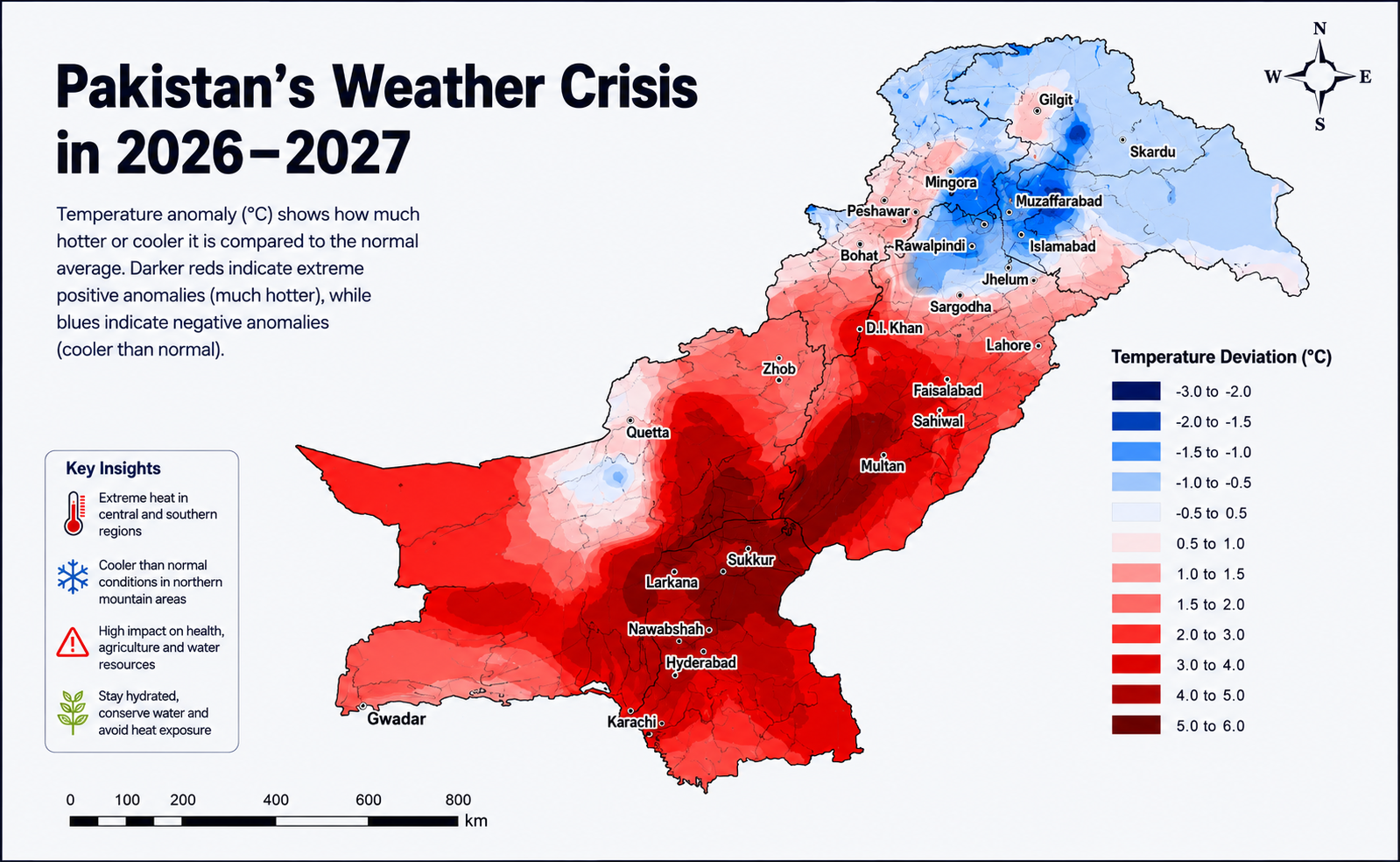
Pakistan is entering one of the most dangerous climate periods in its modern history. From deadly heatwaves and destructive floods to water shortages and glacier melt, the country is facing a rapidly worsening weather crisis. Scientists and climate organizations warn that 2026 and 2027 could become critical years because global warming and a developing El Niño climate pattern may intensify extreme weather across South Asia.
Rising Temperatures and Extreme Heat
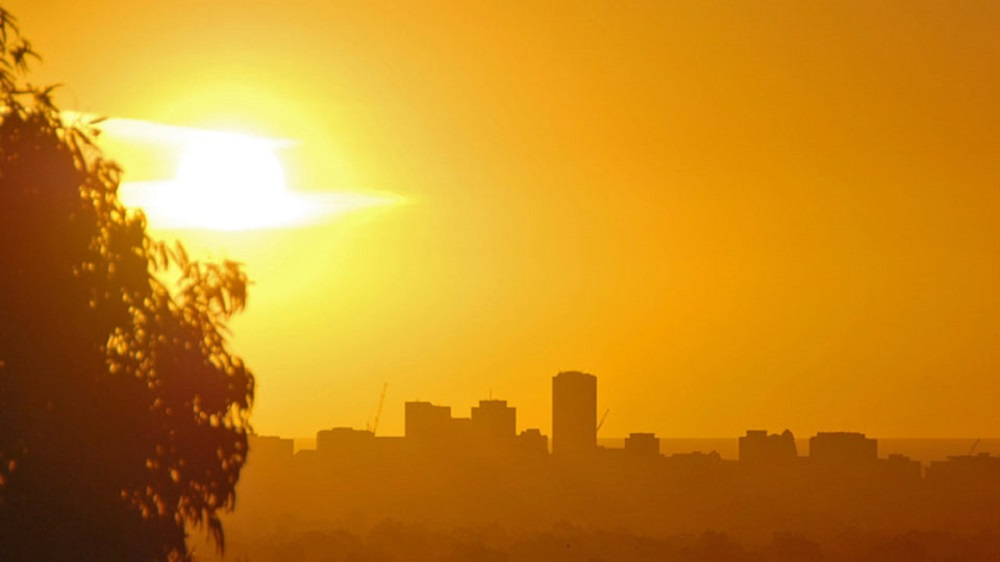
In 2026, Pakistan experienced repeated and intense heatwaves, especially in Sindh, Punjab, and Karachi. Temperatures crossed 44°C in several cities, creating severe health risks for millions of people. Karachi, traditionally moderated by sea winds, also suffered unusually high temperatures, alarming climate experts.
Scientists believe climate change has made these heatwaves more frequent and more dangerous. According to global climate studies, human-driven warming has increased the likelihood of extreme heat events across South Asia several times over.
The impacts of these heatwaves include:
- Heatstroke and dehydration
- Increased deaths among elderly people and children
- Electricity shortages because of heavy air-conditioner usage
- Water scarcity in urban and rural areas
- Damage to crops and agriculture
Pakistan has already experienced deadly heat events in the past. Climate experts warn that such disasters may become normal by 2027 if global warming continues unchecked.
Floods and Monsoon Disasters
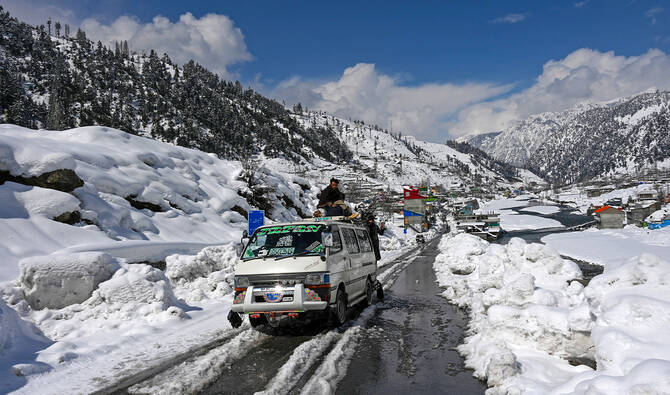
Pakistan remains highly vulnerable to monsoon flooding. After the catastrophic floods of 2022 and severe flood events in 2025, experts fear that 2026 and 2027 could bring even more destructive rainfall patterns.
Climate researchers found that warming temperatures are increasing the intensity of monsoon rainfall in northern Pakistan. Heavy rains now arrive more suddenly and with greater force, causing flash floods and landslides.
Flooding creates multiple long-term problems:
- Destruction of homes and roads
- Loss of farmland and livestock
- Spread of waterborne diseases
- Economic losses worth billions of dollars
- Displacement of families and communities
In mountainous areas, glacier melt is also increasing flood risks. Pakistan contains thousands of glaciers in the north, and rising temperatures are accelerating their melting rate.
El Niño Threat in 2026–2027
Global weather agencies have warned that a strong El Niño event is likely to develop during 2026 and continue into 2027. El Niño is a climate phenomenon that changes global weather patterns and can trigger heatwaves, droughts, and floods.
For Pakistan, El Niño may cause:
- Longer and hotter summers
- Irregular monsoon rainfall
- Drought conditions in some regions
- Increased pressure on agriculture and food supplies
Climate scientists fear that the combination of El Niño and human-caused climate change could push temperatures to record-breaking levels by 2027.
Agriculture and Food Security
Pakistan’s economy depends heavily on agriculture, making climate change a major national threat. Crops such as wheat, rice, sugarcane, and cotton are sensitive to temperature and rainfall changes.
Extreme heat and water shortages reduce crop production, while floods destroy farmland and irrigation systems. Farmers are increasingly struggling with unpredictable weather conditions.
Possible consequences include:
- Food inflation
- Lower agricultural exports
- Rural unemployment
- Increased poverty
Livestock are also affected by rising temperatures and water scarcity, placing additional pressure on farming communities.
Water Crisis
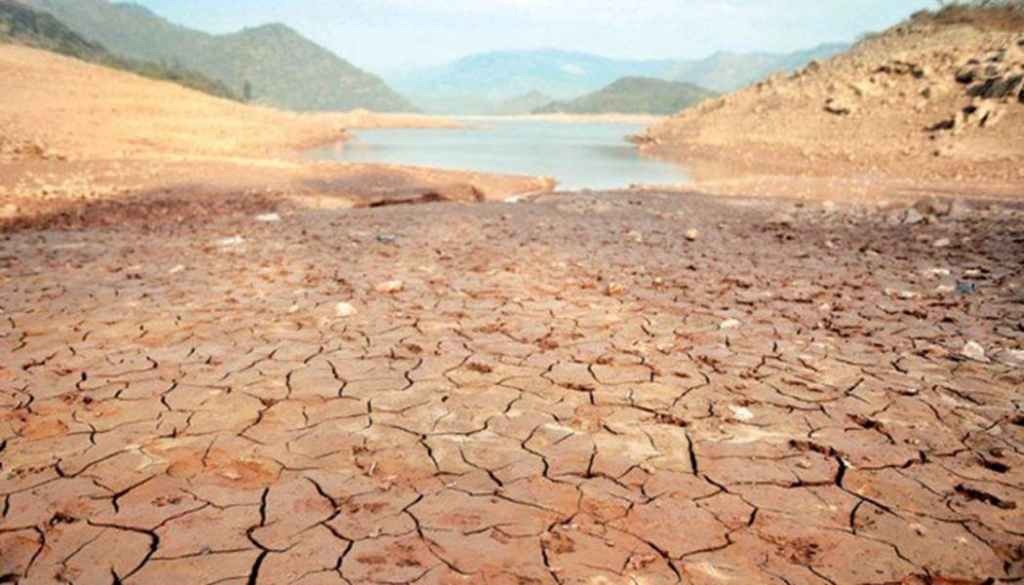
Pakistan is already one of the most water-stressed countries in the world. Climate change is worsening the problem through irregular rainfall, glacier loss, and population growth.
In 2026 and 2027, experts warn that several cities may face serious water shortages during summer months. Rural areas are especially vulnerable because many communities depend on seasonal rainfall and underground water supplies.
Water scarcity may lead to:
- Drinking water shortages
- Agricultural decline
- Health problems
- Conflict over resources
Urban Challenges and Pollution
Large cities such as Lahore and Karachi are struggling with rising temperatures, pollution, and weak infrastructure. Urban heat islands caused by concrete buildings and traffic make cities significantly hotter.
Smog remains another major environmental challenge, especially during winter. Combined with heatwaves, pollution increases respiratory illnesses and hospital admissions.
Poor drainage systems also increase the risk of urban flooding during heavy rainfall.
Government Response and Climate Adaptation
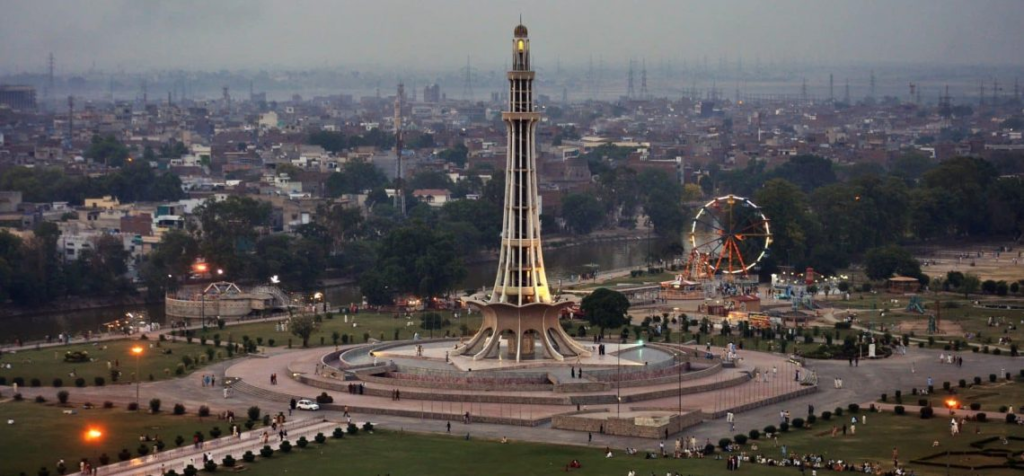
Pakistan’s government has announced climate policies and adaptation programs, including flood protection projects, tree plantation campaigns, and renewable energy initiatives. However, climate experts argue that stronger action is urgently needed.
Important adaptation measures include:
- Building better flood defenses
- Expanding early warning systems
- Improving water management
- Investing in clean energy
- Protecting forests and wetlands
- Developing climate-resilient agriculture
International cooperation is also important because Pakistan contributes relatively little to global carbon emissions but faces severe climate impacts.
Conclusion
Pakistan’s weather crisis in 2026 and 2027 is not just an environmental issue — it is a national emergency affecting health, agriculture, infrastructure, and economic stability. Heatwaves, floods, water shortages, and pollution are becoming more intense due to climate change and global warming.
Without immediate climate action, the country could face even greater humanitarian and economic disasters in the coming years. At the same time, investment in renewable energy, sustainable cities, and disaster preparedness offers hope for a more resilient future.
The climate crisis is no longer a distant warning for Pakistan. It is now part of everyday life.