
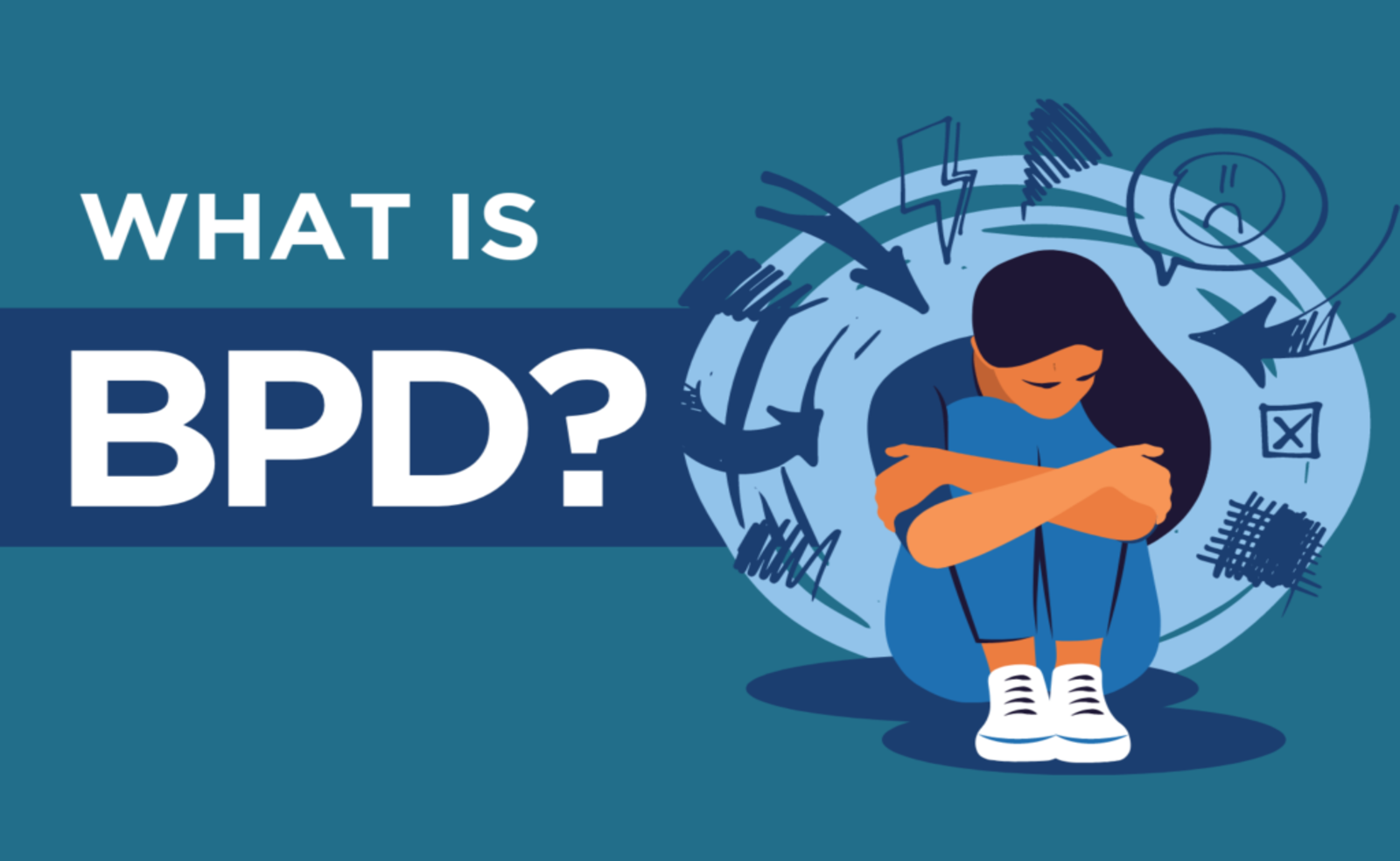
Borderline Personality Disorder is a complex mental health condition characterized by intense emotional instability, impulsive behavior, and unstable relationships. It is clinically recognized in psychology and psychiatry and affects how a person perceives themselves and others.
🧩 What is Borderline Personality Disorder?
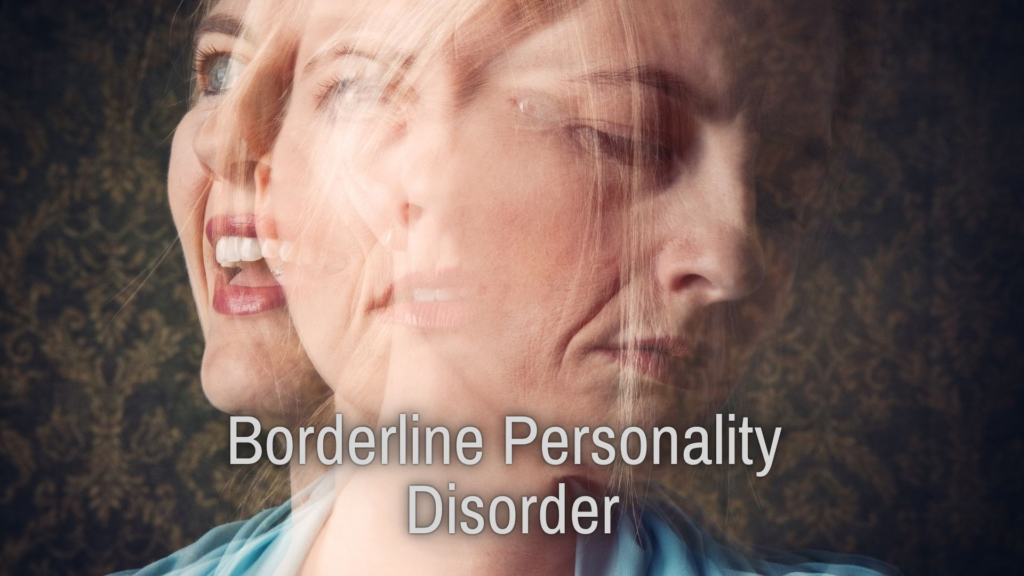
BPD is a personality disorder where emotional regulation and self-image become highly unstable. People may experience rapid shifts in mood, strong fear of abandonment, and difficulty maintaining consistent relationships.
Core idea:
The emotional system becomes hyper-reactive, meaning even small events can trigger intense emotional responses.
⚠️ Key Symptoms of BPD
BPD symptoms typically appear in early adulthood and can vary in intensity.
🔥 Emotional symptoms
- Extreme mood swings (minutes to hours)
- Intense anger or sadness
- Chronic feelings of emptiness
💔 Relationship patterns
- Fear of abandonment
- Idealizing and then devaluing others
- Unstable relationships
🧠 Identity & behavior
- Unstable self-image
- Impulsive actions (spending, risk-taking)
- Self-harming behaviors (in some cases)


🧠 Causes of Borderline Personality Disorder
There is no single cause. BPD develops from a combination of biological and environmental factors.
📌 Possible contributors:
- Childhood trauma or neglect
- Genetic predisposition
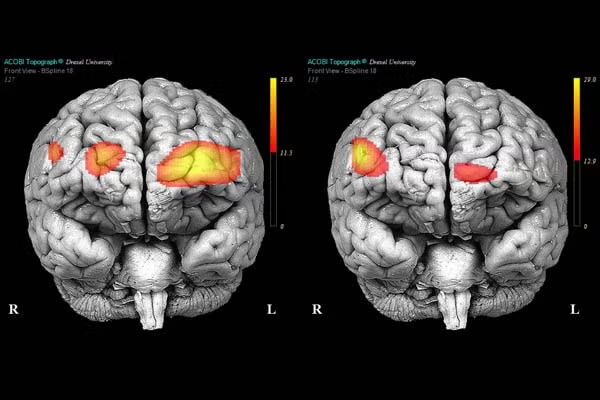
- Brain structure differences (emotion regulation areas)
- Unstable early relationships
💡 Important: Not everyone with trauma develops BPD, and not all BPD cases come from trauma.
🔄 How BPD Affects Daily Life
BPD can impact multiple areas of life:
🏠 Personal life
- Difficulty maintaining stable routines
- Strong emotional reactions to minor stress
💬 Social life
- Misunderstandings in relationships
- Rapid shifts in trust
💼 Work or study
- Trouble focusing during emotional distress
- Impulsive decision-making


🧪 Treatment Options
BPD is treatable, and many individuals improve significantly with proper support.
🧑⚕️ Psychotherapy (most effective)
- Dialectical Behavior Therapy (DBT)
- Cognitive Behavioral Therapy (CBT)
- Mentalization-Based Therapy (MBT)
💊 Medication
- No specific “BPD medication”
- Medicines may treat symptoms like anxiety or depression
🧘 Support strategies
- Mindfulness techniques
- Emotional regulation skills
- Strong support systems
🌱 Can People with BPD Recover?
Yes — many individuals experience major improvement or full functional recovery over time.
✔ Emotional stability increases with therapy
✔ Impulsivity reduces
✔ Relationships become healthier
Recovery is often a gradual skill-building process, not an instant change.