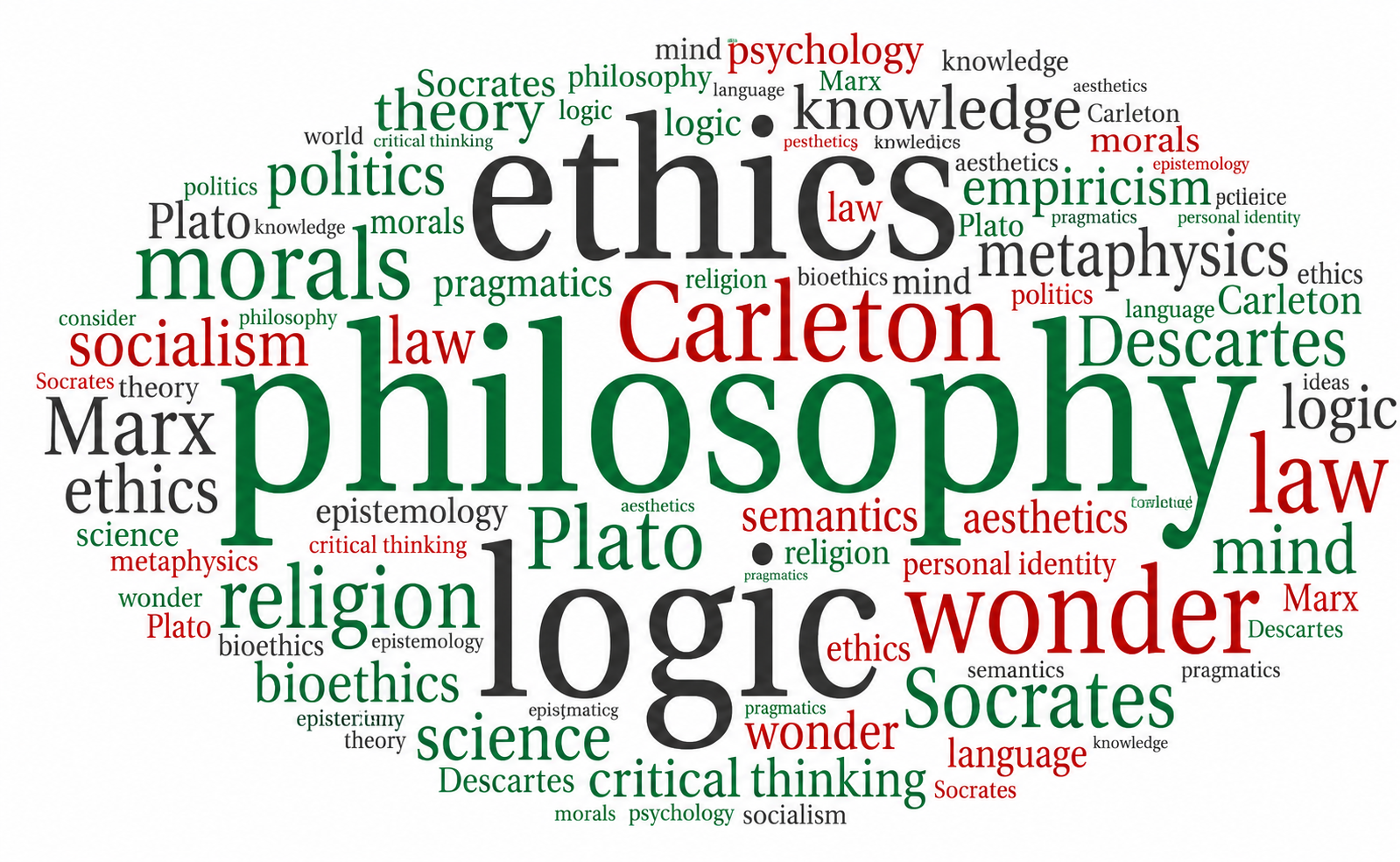
Philosophy is one of humanity’s oldest intellectual traditions. The word “philosophy” comes from the Greek term meaning love of wisdom. Across thousands of years, philosophers have explored questions about existence, morality, truth, knowledge, politics, and the meaning of life.
Ancient Philosophy 🏛️
Ancient philosophy began in civilizations such as Egypt, India, China, and Greece. Early thinkers tried to explain the world using reason instead of mythology.
Greek Philosophy
The ancient Greeks laid the foundation for Western philosophy.
Socrates
Socrates focused on ethics and critical questioning. He believed wisdom begins by recognizing one’s ignorance. His method of dialogue became famous as the Socratic Method.


Plato
Plato was a student of Socrates and founded the Academy in Athens. He wrote philosophical dialogues discussing justice, politics, and reality.
Aristotle
Aristotle studied science, logic, ethics, and politics. His ideas strongly influenced Western education and science for centuries.


Eastern Philosophy ☯️
Eastern philosophical traditions developed independently in Asia and deeply shaped spiritual and cultural life.
Confucius
Confucius emphasized morality, family respect, discipline, and social harmony in China.
Laozi
Laozi is associated with Taoism, which teaches harmony with nature and simplicity.
Gautama Buddha
Buddha taught about suffering, mindfulness, and the path toward enlightenment.


Medieval Philosophy ⛪
During the Middle Ages, philosophy became closely connected with religion.
Augustine of Hippo
Augustine combined Christian teachings with Greek philosophy.
Thomas Aquinas
Aquinas used logic and reason to explain religious beliefs and greatly influenced Christian philosophy.
In the Islamic world, philosophers preserved and expanded Greek knowledge.
Avicenna
Avicenna made major contributions to philosophy, medicine, and science.
Averroes
Averroes defended reason and Aristotle’s philosophy in the Islamic tradition.


Modern Philosophy 🌍
Modern philosophy emerged between the 17th and 19th centuries as science and rational thinking expanded.
René Descartes
Descartes is famous for the statement: “I think, therefore I am.”
John Locke
Locke influenced political philosophy and ideas about human rights and democracy.
Immanuel Kant
Kant explored reason, morality, and human understanding.
Friedrich Nietzsche
Nietzsche challenged traditional morality and religion, influencing existentialism and modern thought.


Contemporary Philosophy 💡
In the 20th and 21st centuries, philosophy expanded into many fields including language, technology, politics, psychology, and artificial intelligence.
Bertrand Russell
Russell contributed to logic, mathematics, and analytic philosophy.
Jean-Paul Sartre
Sartre focused on freedom, responsibility, and human existence.
Jiddu Krishnamurti
Krishnamurti encouraged self-understanding and freedom from mental conditioning.


Major Branches of Philosophy 🧩
| Branch | Focus |
|---|---|
| Metaphysics | Nature of reality and existence |
| Epistemology | Study of knowledge and truth |
| Ethics | Morality and human behavior |
| Logic | Principles of reasoning |
| Political Philosophy | Government, justice, and rights |
| Aesthetics | Beauty and art |
Influence of Philosophy 🌟
Philosophy has influenced:
- Science 🔬
- Religion ⛪
- Politics 🏛️
- Education 📖
- Psychology 🧠
- Literature ✍️
Modern democracy, human rights, scientific reasoning, and ethical systems all have philosophical roots.
Conclusion 📜
The history of philosophy is the story of humanity’s search for wisdom and understanding. From ancient Greece and India to modern universities and scientific debates, philosophy continues to shape how people think about life, society, and the universe. Philosophers throughout history challenged assumptions, inspired revolutions, and encouraged deeper thinking about what it means to be human.