
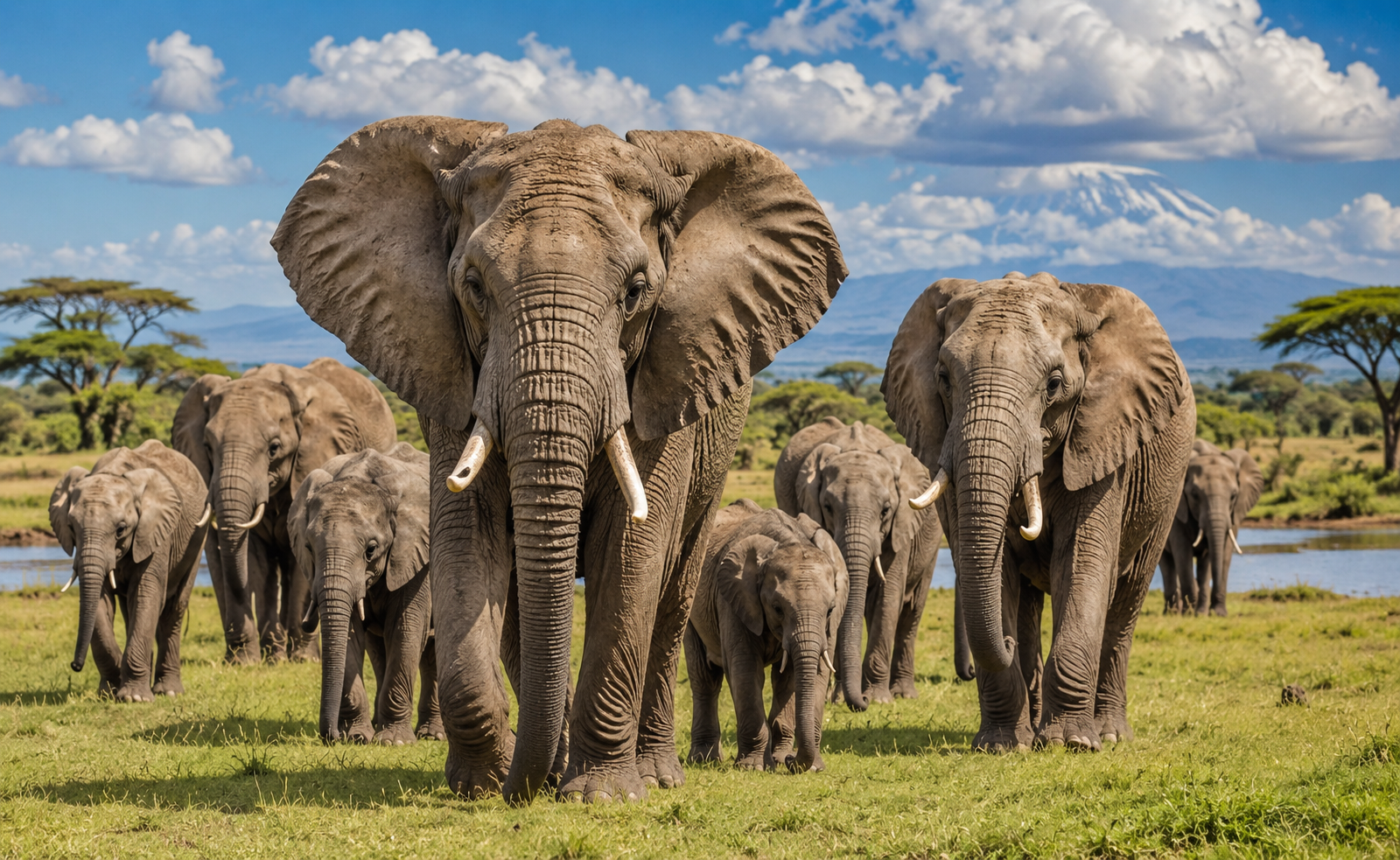
Elephants are among the most intelligent and majestic animals on Earth. For millions of years, they have walked across forests, grasslands, and deserts, becoming symbols of wisdom, strength, and memory in many cultures. Their history is long, fascinating, and deeply connected with human civilization.
Ancient Origins of Elephants


The ancestors of modern elephants appeared around 55 million years ago. Scientists believe these early animals lived in Africa and slowly evolved into many different species.
One of the most famous ancient relatives was the woolly mammoth, which lived during the Ice Age. Mammoths had long curved tusks and thick fur to survive cold climates. Another relative was the mastodon, a large elephant-like animal that lived in North America.
Over time, many elephant species became extinct due to climate changes and hunting by humans. Today, only three species remain:
- African Bush Elephant
- African Forest Elephant
- Asian Elephant
Elephants in Ancient Civilizations 🏛️


Elephants played an important role in ancient history. In countries like India, Thailand, and Sri Lanka, elephants were respected as sacred animals and symbols of royalty.
In ancient wars, rulers used elephants as powerful weapons. These “war elephants” carried soldiers into battle and frightened enemy armies. One famous military leader, Hannibal Barca, used elephants while crossing the Alps to fight Rome.
Elephants were also used for:
- Transporting heavy materials
- Building temples and monuments
- Ceremonial events and royal parades
Elephants in Religion and Culture ✨


In many cultures, elephants symbolize:
- Wisdom
- Power
- Loyalty
- Good luck
In Hinduism, Ganesha, the elephant-headed god, is worshipped as the remover of obstacles and the god of wisdom.
African cultures also admire elephants for their intelligence and strong family bonds. Stories, paintings, and myths about elephants exist in many parts of the world.
Modern Elephants and Conservation 🌍


Today, elephants face many dangers:
- Habitat destruction
- Illegal hunting
- Ivory trade
- Human-wildlife conflict
Conservation organizations around the world are working to protect elephants and preserve their habitats. National parks and wildlife sanctuaries help provide safe environments for these magnificent animals.
Elephants are highly social creatures. They live in family groups led by experienced females called matriarchs. They communicate through sounds, touch, and even low-frequency vibrations.
Amazing Facts About Elephants 🐾
- Elephants are the largest land animals on Earth.
- They can recognize themselves in mirrors.
- Their trunks contain over 40,000 muscles.
- Elephants can remember locations and other elephants for many years.
- Baby elephants can weigh over 200 pounds at birth.
Conclusion
The history of elephants is a story of survival, intelligence, and deep connection with nature and humanity. From prehistoric mammoths to modern African and Asian elephants, these incredible animals have inspired people for thousands of years.
Protecting elephants is important not only for wildlife but also for preserving one of Earth’s most extraordinary creatures for future generations. 🐘