Our Location
304 North Cardinal St.
Dorchester Center, MA 02124

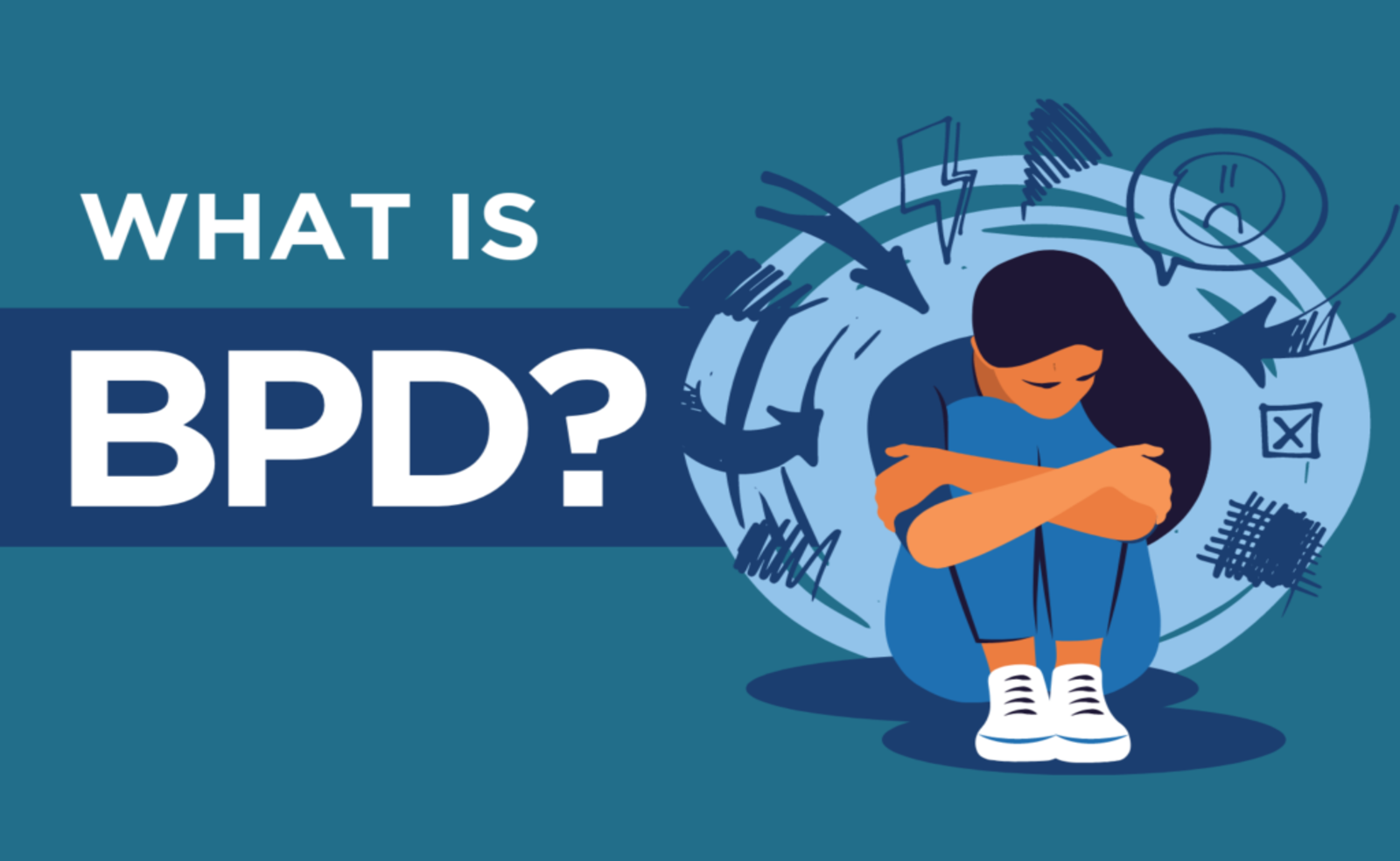
Borderline Personality Disorder (BPD) is a mental health disorder defined by extremely volatile emotions, impulsive actions, and unstable interpersonal relationships. It is a clinical diagnosis within the field of psychology and psychiatry.
BPD is a form of personality disorder. Emotional instability and inconsistency of self-image are key features. These individuals may experience dramatic, rapid mood changes; fear of abandonment; and the creation of volatile, inconsistent relationships.

The emotional system is hyper-sensitive and events that to others seem minor may trigger extremely intense emotional response.
Symptoms of BPD typically manifest in young adulthood and fluctuate widely in severity.
Wildly shifting emotions over short intervals (minutes to hours)
Intense emotions like sadness or rage.
An underlying feeling of chronic emptiness.

Alternating between idealizing people then devaluing people
An inability to sustain healthy relationships long-term
Unstable self-image.
Compulsivebehaviorslike overspending, risk-taking, etc.
Self-harm(in some cases).
There is no single cause of BPD. It is thought to be the result of biological and environmental influences interacting with one another.
Childhood traumas or neglect.

A genetic vulnerability.
Differences in the areas of the brain that control emotions.
An unstable environment with chaotic relationships early in life.
Important Note: It is not the case that everyone with trauma will develop BPD, nor will everyone with BPD have childhood trauma.
The inability to establish reliable routines.
A drastic emotional response to a minor stimulus.
Confusion between friends and acquaintances due to frequent mood swings and differing opinions of people.
Trust is fluctuating quickly and is often lost and regained rapidly.
Inability to focus on any tasks.
Impulsive decision-making impacting jobs and studies negatively.
BPD is a treatable disorder and individuals with it can make amazing recoveries!

There is no designated medication specific for Borderline PD, but various forms of medication are prescribed that manage symptoms like anxiety and depression.
Learning emotion regulation skills.
A strong social support network.
Absolutely! Individuals with BPD can become perfectly functional after some time and therapy.
Emotional levels become more regulated with therapy.
Impulsivity decreases.
Relationships improve.
Recovery is basically a step-by-step learning process rather than something that occurs in a moment.
