Our Location
304 North Cardinal St.
Dorchester Center, MA 02124

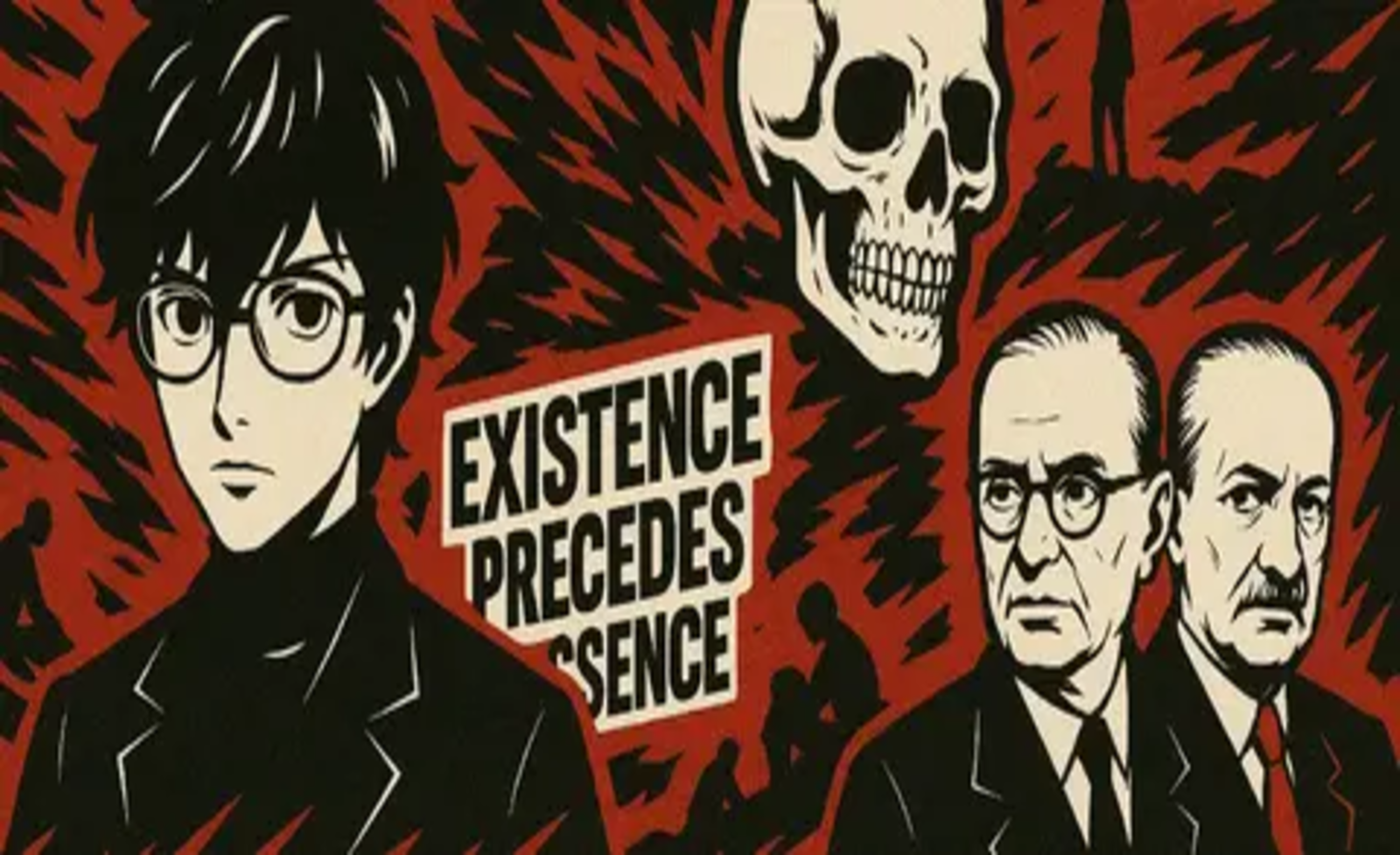
Existentialism digs straight into the heart of what it means to be human. It’s not about grand systems or abstract logic—the focus here is on you, the individual, wrestling with freedom, choices, and the aching question of why you’re even alive. Why are we here? What gives our lives meaning? Are we really free, or just playing roles set out for us?

Instead of getting lost in society’s rules or burying itself in technical debates, existentialism zeroes in on what it actually feels like to be alive: the joy, anxiety, responsibility, even dread that comes with figuring out your own purpose.
So, what is existentialism, really? At its core, the idea is simple: nobody’s born with a set purpose. You make your meaning as you go—by how you live, the choices you make, the things you do.
This movement caught fire mostly in the 19th and 20th centuries—especially after wars and upheavals left people questioning everything. Existentialism tackled the stuff people actually worried about:

The guy most people call the “father of existentialism” is Søren Kierkegaard. He said truth is personal, not just something handed down—and argued that it’s the choices and leap of faith you take that make life real. Then Nietzsche stirred things up by saying we have to create our values, not just accept what we’re told.
The big names you hear later—Jean-Paul Sartre, Albert Camus, Simone de Beauvoir, Martin Heidegger—all ran with these ideas and left their own mark.
Let’s walk through a few core concepts:

Existentialism didn’t just stick to philosophy seminars—it spilled over into novels, plays, and even art. Stories like The Stranger, Being and Nothingness, Thus Spoke Zarathustra, and Fear and Trembling all wrestle with isolation, freedom, and the hunt for meaning. These works still hook readers today.
Look around and you’ll see existentialism everywhere. All those modern questions about identity, pressure, fitting in—or, on the flip side, daring to stand out—tie right back to existentialist themes. In a world that changes every day, existentialism is a reminder: think for yourself, accept uncertainty, make your own meaning, and live honestly.
Not everyone’s a fan. Some critics say existentialism dwells too much on anxiety and makes life seem lonely. Others argue it ignores how much social systems and community matter. But its defenders believe existentialism gives people the guts to seek out real freedom, honesty, and self-discovery, even when that’s uncomfortable.
So, existentialism isn’t just another philosophy—it’s a way to take on life’s toughest questions. It won’t hand you simple answers, and it won’t let you off the hook. But it will urge you to face uncertainty head-on and shape your own path, living as authentically as you can in a world that rarely makes things easy.
