Our Location
304 North Cardinal St.
Dorchester Center, MA 02124

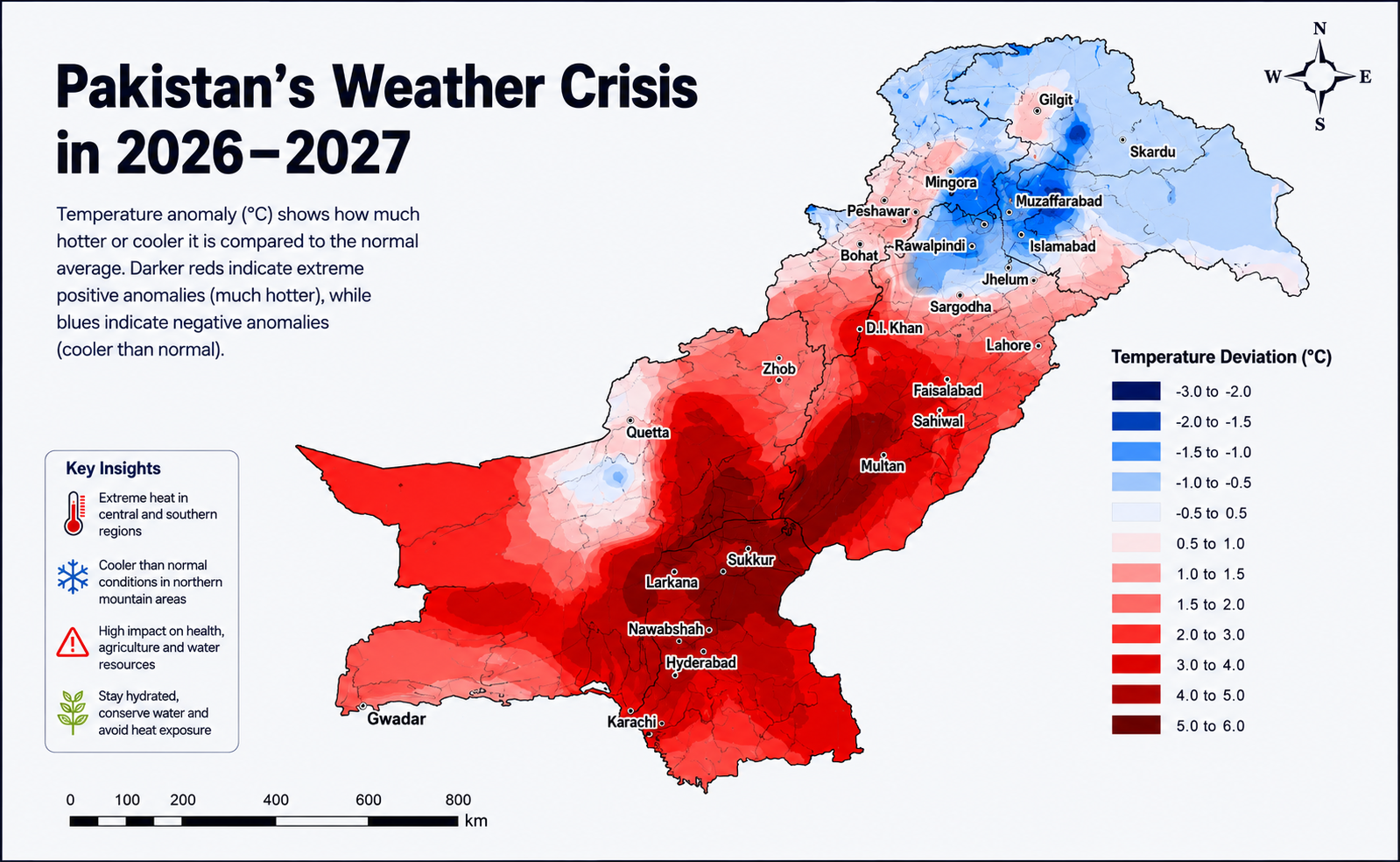
Pakistan is barreling into one of the most dangerous climate stretches it’s ever seen. Think about it: scorching heatwaves, devastating floods, rivers running dry, glaciers melting away — every year, this weather crisis just gets worse. Scientists and climate groups are ringing alarm bells. They say 2026 and 2027 could be make-or-break years because global warming, combined with El Niño, might crank up South Asia’s extreme weather to even scarier levels.
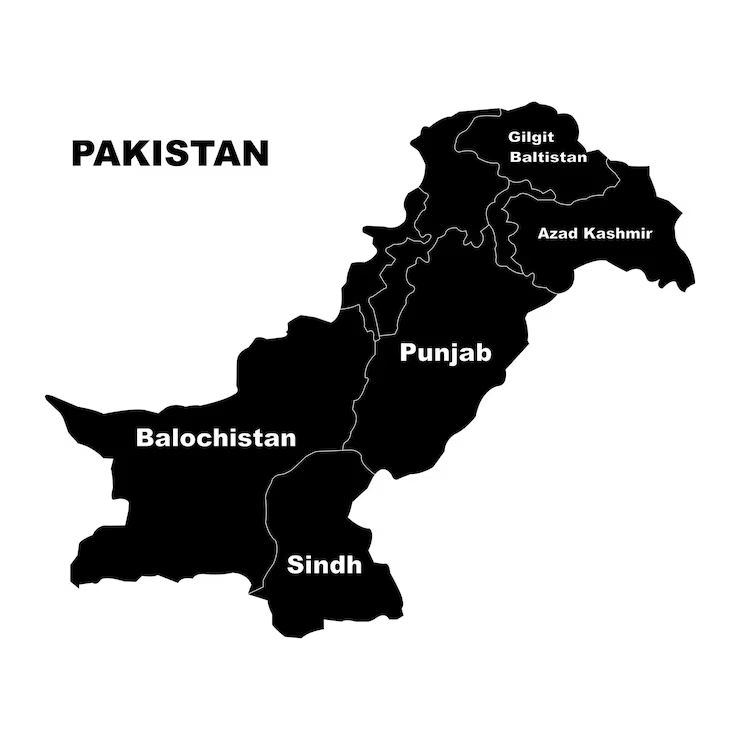
Rising Temperatures and Relentless Heat
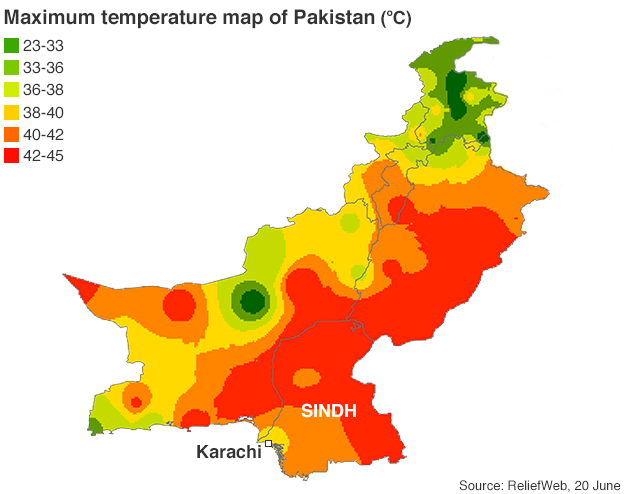
In 2026, the heatwaves just didn’t stop. Sindh, Punjab, Karachi — nobody got a break. Temperatures shot up past 44°C in city after city, putting millions at serious health risk. Even Karachi, where sea winds usually cool things down, suffered temperatures so high that even climate experts sounded truly worried.
There’s no mystery about what’s happening. Scientists agree climate change is driving these heatwaves, making them longer, stronger, and more dangerous every year. Recent studies show human-driven warming has made extreme heat in South Asia much more common.
These heatwaves do more than make people sweat. Hospitals fill up with heatstroke and dehydration cases. The elderly and kids are especially at risk, and deaths climb. When everyone runs their air conditioners full blast, power grids strain and sometimes fail. Water grows scarce, both in cities and rural villages. Crops and farmland take a beating.
Pakistan has lost lives to deadly heat before, but now experts warn this kind of disaster could be the new normal by 2027 if the world keeps warming at this pace.
Floods and Monsoon Chaos
Floods aren’t a new problem, but the past few years have been brutal. After the catastrophic 2022 floods and another devastating round in 2025, many worry that the coming years will bring even fiercer rains and more destruction.
What’s changing? Rising temperatures are making monsoon rains heavier and less predictable, especially in northern Pakistan. Now, storms hit fast and hard, triggering flash floods and landslides that sweep away homes and roads.
The damage lingers. Families lose their homes, farmers see livestock and fields washed away, and waterborne diseases spread. Billions vanish from the economy, and communities are forced to relocate. Glacier melt up north just tosses fuel onto this fire — there are thousands of glaciers in Pakistan, and they’re shrinking fast.
The El Niño Wildcard
Now add El Niño to the mix. Global weather experts are warning that a strong El Niño could show up in 2026 and hang around for 2027. El Niño scrambles weather all over the world and can mean more heatwaves, sudden floods, and harsh droughts.
For Pakistan, this probably means sweaty, extra-long summers, weird and uneven rainfall during monsoon, and some regions slipping into drought. Farmers and food supplies take the hit.
Combine El Niño with steady human-caused warming, and some scientists think 2027 could bring the country’s hottest years yet.
Agriculture and Food on the Line
Farming supports Pakistan’s economy, and climate change is making farmers’ lives much harder. Crops like wheat, rice, sugarcane, and cotton aren’t built for soaring temperatures one day and pounding floods the next.
Too much heat and too little water shrink harvests. Floods wipe out fields and wreck irrigation systems. Farmers try to adapt, but the wild weather just keeps coming.
If this keeps up, Pakistan will see food prices rise and crop exports fall. Rural jobs will dry up, and poverty will worsen. Even livestock — so vital in many communities — are struggling in the blistering heat and water shortages.
The Water Squeeze
Pakistan is already one of the most water-stressed countries in the world. Now, climate change is making this crisis worse by wrecking rainfall patterns, draining glaciers, and matching all that to surging population growth.
In the next two years, whole cities could find themselves without enough water, especially when summer hits full force. Rural communities — the ones depending on seasonal rains and underground wells — are even more exposed.
We’re not just talking about taking shorter showers. Water shortages can mean nowhere to turn for a drink, crops failing, health risks mounting, and people fighting over shrinking resources.
City Life Heats Up
Big cities like Lahore and Karachi are a whole other story. These places are cooking thanks to rising temperatures, choked with smog, and hampered by weak infrastructure. Paved streets and constant traffic trap heat, making daily life close to unbearable in the summer.
Winters aren’t much better. Thick, lingering pollution spikes respiratory illnesses and clogs hospitals. Every time it pours, blocked drains flood streets and homes.
What’s the Government Doing?
Pakistan’s leaders know the score. They’ve announced new climate policies and green programs — everything from flood defenses and tree planting to renewable energy projects. But most climate scientists argue that plans on paper aren’t enough. Action on the ground needs to speed up — and scale up.
Some things Pakistan can do right now: build stronger flood barriers, set up advanced warning systems, fix water management, invest in renewable energy, protect forests and wetlands, and help farmers adapt to climate swings.
And there’s an important point — Pakistan barely contributes to global climate emissions compared to bigger economies, but it pays a heavy price. That means pushing for international support is critical, too.
The Bottom Line
By 2026 and 2027, Pakistan’s climate crisis has stopped being just about the environment. It threatens everyone’s health, hits farms and jobs, wrecks infrastructure, and shakes the economy. Extreme heat, flooding, parched rivers, smog, and food insecurity are already part of daily life — and they’re only getting worse as the planet warms.
If Pakistan doesn’t act quickly — and get real help from the world — the next few years could bring even worse human and economic disasters. But with smart investment in renewable power, better cities, and disaster plans, there’s still a shot at a safer, more resilient future.
For Pakistan, climate change isn’t on the horizon. It’s here and now.
