Our Location
304 North Cardinal St.
Dorchester Center, MA 02124

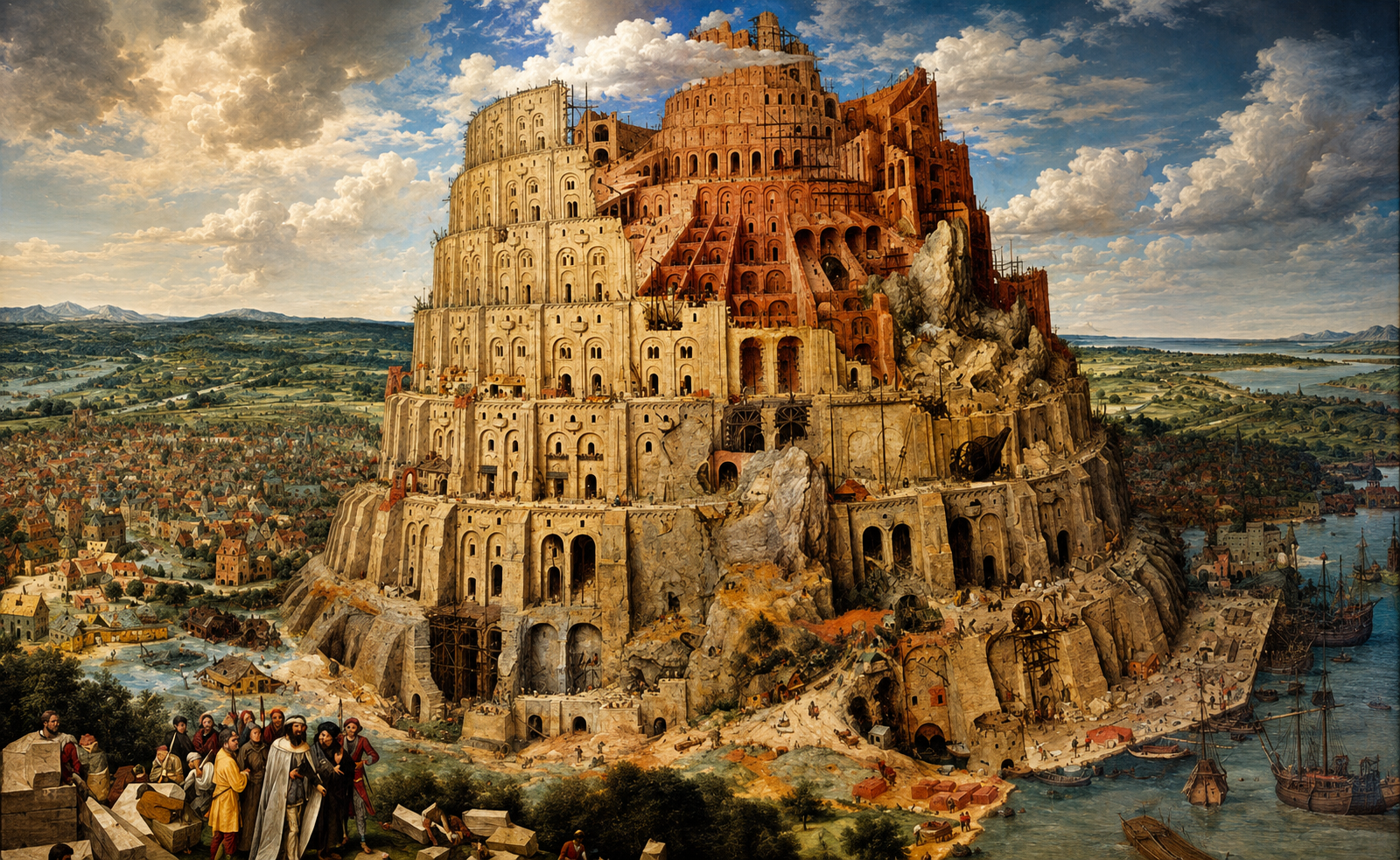
The Babylonian Empire was one of the most significant civilizations in history. It was situated in Mesopotamia between the Tigris and Euphrates rivers. Babylon developed into an important center of trade, culture, science and law. Its empire had a strong impact on human history; in fact, it influenced many civilizations that followed.

Babylon was initially a small city-state in ancient Mesopotamia, a region of present-day Iraq. In the 18th century BCE it evolved into one of the first powerful historical empires as ruled by king Hammurabi, who united many small independent cities into a single powerful state.
Babylon became important owing to its strategic position on important trade routes to various different parts of the world. Merchants from all over the region would travel to Babylon to trade their goods, their cultural values and their own ideas.

One of the most famous leaders of the Babylonian Empire was Hammurabi. The Babylonian Empire is mainly known for his Code of Hammurabi. This code represented one of the very first legal system to have been written down throughout human history. These laws were originally carved on huge stone pillars placed in prominent areas so that they would be visible and readable by all of the citizens of the city.
The laws of Hammurabi covered almost all aspects of life in ancient Babylon including laws on trade, marriage, crime and property. This law codes is particularly infamous for its “eye for an eye” rule.
Babylon was famous as having a very impressive design and monumental scale architecture. The city was surrounded by towering city walls, and contained many impressive palaces, temples and gardens. Two architectural marvels particularly known with the Babylonian empire were the Ishtar Gate and the Hanging Gardens of Babylon. The Ishtar Gate was adorned with vibrant blue glazes and images of mythical beasts while the Hanging Gardens, according to historical texts, were one of the Seven Wonders of Ancient World, though their existence has been doubted by many modern historians.

The city of Babylon was also an important intellectual center. It was renowned for its astronomers, mathematicians and writers who made very important contributions. They produced basic astronomical tools and calculations such as early calendars and studied the movements of stars and planets.
During the rule of King Nebuchadnezzar II (6th century BCE) the Babylonian Empire reached its zenith. This king transformed Babylon into one of the most beautiful cities of its time through vast construction and expansion projects.
King Nebuchadnezzar II was responsible for the construction of grand temples and a fortification which made the city impenetrable. However it was during this period that the Babylonians took Jerusalem and exiled all of the Jewish population away to their country in what is known as the Babylonian Captivity.
Like all empires, the Babylonian Empire could not last forever. In 539 BCE Babylon was conquered by the Persian king Cyrus the Great without much damage being done. The city became a part of the Persian empire.
Soon afterwards, it declined rapidly to the extent that it soon ceased to be a place of major political importance.
Nevertheless, its influence in law, science, mathematics and culture remained long after it declined.

The Babylonian Empire’s influence is undeniable in human history; their legal system and their work in astronomy and mathematics continues to be felt today. Babylon is a symbol of what can be achieved through human endeavor. Today it is an important historical site that is visited by people from around the world.
